Daily Paws

Pet news, tips, entertainment and opinions from VetLocator.com

Archive for the ‘Pet Tips’ Category

May is for Moms!

Monday, May 13th, 2013

It’s no secret that mothers take care of everything and everybody, in pet-owning homes that additionally signifies looking after a couple of additional “children.”

So your mother complains she has everything she could need, of course with a child like you what else does she need. If this is the case why not help pamper the already spoiled family pet!

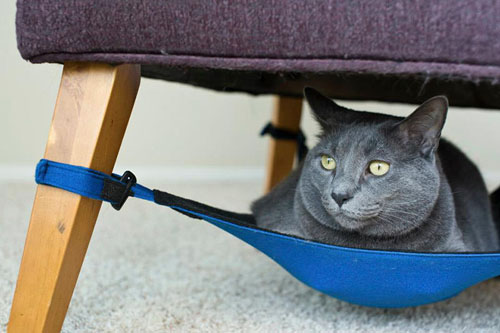
  • Cat sleeps everywhere – Let’s get them a cat hammock

cat-hammock

The cat hammock from Cat Crib, www.catcrib.com provides a nice, cozy and quiet place for your cat without taking much valuable floor space in a small room. Cat hammock is an item for your pets that adds lots of fun to their life.

Or why not build your own cat hammock with this fun DIY project. — Build a Cat Hammock

  • Help rid the house of fur! – A Good De-shedding Pet Brush

A Furminator pet brush gives mom a much-needed hand cleaning the house after furry family members. Furminator is an extremely powerful de-shedding tool that can get deep down and bring up fur from all types of sizes of dog and cat fur coats.

furmunitor

  • The dog is fat – Bake Dog treats!

dog-treats1

Why not bake your mother’s dog a yummy treat with this fun DIY recipe! — Gluten Free Dog Treats

dog-treats

Check out this video too on How to Make Home Made Dog Treats!

Share

Its May, and it is starting to get hot!

Monday, April 29th, 2013

daily-paws-may-dayHere in Florida that also means the start of flea season (and some say flea season never ends here…) So with the warming weather and spring fully in the air, your pets may be feeling the spring fever too.

Here are some ‘plan ahead’ tips for you when you are overcome with the need to be outdoors with you pets so you both remain comfy, cool and safe:

Plan Ahead Tip #1 – Dress appropriately for the weather and make sure you are considering your pet too. For us this may mean layers we can remove if we get too warm, and add when things cool. It always includes a hat and sunscreen.

Since your pet won’t usually be able to shed or add a layer, help your pet’s natural process for cooling down by giving them a little help. Pets have their own way to remove layers, usually by shedding, panting and sweating. It is the perfect time to cut and trim their coats if they need it. Use your own judgment on whether a cut is right for them. In Florida our triple coated dog gets a cut before she is miserable and overheated and that earns us extra kisses from our cooled down pooch.

Plan Ahead Tip #2 – Have enough water, doggy bags (because we’re assuming you won’t be traveling with your cats), plans for shade, and food with you. We have a very cool fanny pack that is roomy enough for our snacks and our dog treats and waste bags, plus 2 water bottle holders, one for each of us.

Plan Ahead Tip #3 – Speaking of snacks; bring the right kind with you. Depending on how your dog shares, and how long they take to eat a treat, choose wisely. Nothing worse that having to wait while your pup savors the last bites of a ten minute chew – well, there is something and that’s if your dog is protective and is antisocial while devouring his 10 minute chew. Healthy, nutritious and quick to eat for both of you is a good plan ahead tip.

Plan Ahead Tip #4– Bring clean up supplies. Yes, we live in Florida, land of endless beaches, lots of water, lots of …. Well everything!
This means our dog gets plenty filthy when we go out, either from sand or dirt or weeds or water or, or… And we’re not special here. Anyplace those four feet can touch down is a place where there is a potential for a mess. Even if your pup is carried everywhere, in a backpack, carrier or arms, things can get messy.

Towels, plastic bags and baby wipes are handy to have and will get used so bring them along.

Plan Ahead Tip #5 – If you are going to be out for an extended time, something that’s nice is a cooling mat that allows air to circulate all around your pet. Cooling pet beds help cooling your pet down, relieving sores and pains for senior pets and injured dogs or simply giving them a good sleep.

Plan Ahead Tip #6 – Know what to do if your pet gets overheated. The first thing is to know what the signs of heat exhaustion/heat stroke in a pet are. If you observe a swollen tongue, heavy panting, glazed eyes and rapid pulse or vomiting. Or if you notice your pet’s tongue looks purple or he is walking or staggering, he might be dealing with heat exhaustion. If you’re not sure, be safe and do this: place rubbing alcohol only on your pet’s paws and keep him in a cool (but not cold bathtub). Splash with water especially on the belly, or you can apply ice packs only on head, neck and chest. Then call your vet immediately.

Oh, I did mention flea season, didn’t I? Yes…this is your last a plan ahead tip…Plan Ahead Tip #7 – Before going out make sure your dog or cat has some flea protection – whichever you feel is best for your pet, and when they come in CHECK THEM FOR FLEAS. Even with protection fleas will often jump on looking for a meal before they jump off. If they jump off in your house…not something you want, is it?

They say that planning ahead is a good thing. I agree, don’t you?

Have a wonderful spring!

Linda – Daily Paws

Share

Poison Prevention Week Brings Timely Reminders for Pet Owners

Friday, March 15th, 2013

Here is an excellent article from the University of Illinois College of Veterinary Medicine on what to do about pets and toxins by Hannah Pitstick.

March 17 to 23 is National Poison Prevention Week, and Easter celebrations follow shortly thereafter. Both occasions, along with the onset of spring and increased outdoor time, make this month ideal for raising awareness about common toxins that may put pets at risk, according to experts at the University of Illinois Veterinary Teaching Hospital in Urbana.

Many of the more than 100,000 instances of pet poisoning in the U.S. each year are caused by substances found in or around the home, such as chocolate, human medications, and certain plants.

The following reminders may help you keep your pet safe from potential poisons.

  • Acetaminophen or other human medicines and grapes and raisins are among the many household items that can be toxic to your animals.
  • Pet hazards lurk in Easter’s aftermath; chocolate can cause vomiting, diarrhea, agitation, tremors, and possibly seizures depending on how much is eaten and the size of your dog. Seek veterinary attention if your pet helps you “clean up” the chocolate candy.
  • Flowers are one of the biggest Easter-related concerns. True lilies, such as Easter lilies and stargazers, are extremely toxic to cats; and tulips, daffodils, and hyacinths will cause vomiting.
  • Is your pet safe in the backyard? Yews, azaleas/rhododendrons, water hemlock, poison hemlock, and castor bean are among the highly toxic plants that are very common in the Midwest. Also beware of products like snail and slug baits (containing metaldehyde) and cocoa mulch, which, just like chocolate, can cause heart problems and can even be fatal at high doses.
  • Mushrooms marketed for human consumption are perfectly safe for animals, but mushrooms encountered outdoors, unless you are certain they are a kind safe for people to eat, should be kept away from your pet.
  • If you live in central Illinois and your dog shows up at the door with a toad in its mouth, it is probably not a cause for alarm. However, if you are concerned that the toad may be toxic, wash out your pet’s mouth with water and call your local veterinary emergency room.

For more information about pets and toxins, consult your local veterinarian. In case of emergency, the University of Illinois Veterinary Teaching Hospital offers 24/7 medical services; call 217-333-5300 or visit illinoisvetmed.com for more information.

Share

Aggressive Treatment Needed for Pet’s Orthopedic Pain

Thursday, March 7th, 2013

Here is an excellent article from the University of Illinois College of Veterinary Medicine on what to do about a pets joint pain  by Sarah Netherton

“Orthopedic pain is considered a severe type of pain that any mammal can experience,” asserts Dr. Ashley Mitek, a veterinarian who is completing an internship in small animal medicine and surgery at the University of Illinois College of Veterinary Medicine in Urbana. And anyone who has broken their arm or torn their ACL would probably agree.

In pets, acute orthopedic pain can be caused by a traumatic injury, such as being hit by a car or a tear in the cranial cruciate ligament—the equivalent in human medicine being the dreaded “ACL tear.” Orthopedic pain can also occur from a surgical procedure such as limb amputation or fracture repair.

If pain is left untreated, systemic problems can develop, such as increased heart rate and blood pressure and decreased wound healing and immune function. It’s also important to note that, “the longer pain goes untreated, the greater the risk that the animal may develop chronic pain, which can be difficult to manage,” says Dr. Mitek.

With limb fractures, a veterinarian may try to immobilize the fracture with a padded bandage if possible, but the animal should also receive pain medication while waiting for surgical correction or casting. One technique that can be used to provide analgesia for hind limb surgeries is an epidural, a procedure that is similar to the procedure used to alleviate pain during childbirth.

“Epidurals have a low risk of adverse side effects, and a combination of morphine (a narcotic) and a local anesthetic can provide pain relief for 12 to 24 hours,” explains Dr. Mitek. “Epidurals work by limiting pain signal transmission in the central nervous system—the spinal cord and brain—to parts of the brain that recognize pain. A single epidural can be administered prior to surgery or a catheter can be placed to facilitate repeated epidurals to prolong the pain relief for several days.”

If your dog receives an epidural for pain control, you might be surprised to see a small shaved spot where the epidural was administered. Dr. Mitek says not to worry, because the hair usually grows back within a few months – though it can take longer in some breeds, and on rare occasions, grow back as a slightly different color than the surrounding hair.

Pain relief techniques for front limb orthopedic pain can sometimes be a bit more difficult. This depends on the location of the injury or the surgical procedure that is to be performed. Some options include a brachial plexus block, which provides pain relief from the elbow to the tip of the foot, or a ring block that provides pain relief specific to the paw and toes.

Any time a nerve is damaged, whether from trauma or as part of surgery, animals can develop neuropathic or “wind up” pain. This results in the animal becoming more sensitive to pain and could lead to a condition known as allodynia, feeling pain from a stimulus that ordinarily does not cause pain, such as the wind blowing across your face; or hyperalgesia, an increased sensitivity to pain. Aggressive pain management can be implemented to avoid this outcome.

“The best way to treat acute pain and prevent chronic pain disorders is to use preemptive analgesia, administration of pain-relieving medication before pain starts,” says Dr. Mitek, “but unfortunately, most of us do not have a crystal ball to predict when Fido or Fluffy might experience trauma. So, if you can’t prevent pain, the next best thing is to treat it aggressively as soon as possible!”

For more information regarding acute orthopedic pain, speak with your local veterinarian.

An archive of Pet Columns from the University of Illinois College of Veterinary Medicine is available online at http://vetmed.illinois.edu/petcolumns/


Share

Paddy’s Safety Tips for St. Paddy’s Day

Tuesday, March 5th, 2013

st-patricks-day-pet-safety-tipsSt. Patrick’s Day is coming up and soon it will be time to put on the GREEN.

Here at VetLocator Daily Paws we refer to the day as St. Pawtrick’s Day and we love to celebrate it by adding a bit ‘o green to our attire and to our pet’s ‘dress’ too.

Here are some of our tips for celebrating the day in a fun and safe way.  We always include safety tips (and we’re sorry if we sound like your mother when we do.  It’s what we are focused on though, healthy and happy pets, so we hope you excuse us for the repeat – and guarantee you’ll hear us saying this stuff again).  So here are some tips.

Patrick’s Day is fun, crazy and full of celebration for many and pet owners should make sure their pets are protected during the celebrating.  Follow these safety tips to keep your pet safe this St. Pawtrick’s Day.

  • Keep your pets away from holiday food.  Some traditional Irish food can make your pets ill. This is the usual advice – Watch what you feed your pets and check on them before, during and after a party to see if they look like they’ve eaten something that they should not have.
  • Don’t get your pets drunk.  On this day especially some irresponsible people will think it’s funny to give a pet beer.  Even if that’s not you, if you’re celebrating and your pets are with you, watch that someone else does not sneak booze to your pet because they think it’s a funny thing to do.
  • Plan on wearing green and add a bit to your pet’s attire too.  Remember – wear green or be pinched!
  • It’s becoming popular to dye or airbrush  a cat or dog’s fur.  If you fancy this, do some research first before proceeding.  Some dyes are toxic and some are permanent.  Also some pets get freaked when they are being decorated by an owner.
  • And in the event something should happen, keep your emergency numbers at hand.

We have some photos of Pets on Parade that are fully into the St. Patrick’s Day festivities.


Share

Valentine’s Day Pet Safety Tips

Thursday, February 7th, 2013

Valentine’s Day is quickly approaching and love is definitely in the air, but so is potential danger for your pets.  Make it a Valentines-day-pet-tipssweet and safe day by keeping these safety tips in mind:

  • Don’t let pets near roses or lilies. Roses and lilies are the most common Valentine day gifts and can be extremely hazardous to pets. Lilies are toxic and fatal to cats. Thorns can cause internal damage if ingested.
  • Keep an eye on candy and other sweet treats around your pet. Chocolate can be toxic to dogs and so can the sweetener xylitol. Candy and food wrappers smell good and can present a choking hazard. And anything I didn’t mention when consumed by a pet can make them sick.  Keep pets away from this stuff.
  • If you are having a party, keep an eye on alcoholic beverages.  We’ve all seen or heard stories of different animals who like to drink.  How sad that their owners allow it, not to mention that sometimes this can lead to a pet’s death.  It’s not cute.  It’s not funny.  It’s sad.
  • Decorations, candles, cords = dangerous hazards.  The warm glow of candlelight is romantic and flattering, but open flames present obvious dangers if your pet has access to them. Keep your pets and children in mind when you celebrate.
  • And in the event something should happen, keep your emergency numbers at hand.

Have a safe and Happy Valentine’s Day from all of us at VetLocator.com!

Share

Keeping your Pet Safe this Halloween

Wednesday, October 31st, 2012

The scary night is almost here!!!!!  Make it a fun and safe evening by keeping these safety tips in mind:

1.  Make sure you have your pet either safely tucked away in a kennel or spare room with music or TV playing in the background, so they are not too disturbed by trick or treaters.  A dog on the loose, barking and getting agitated is no fun for the dog, the trick or treaters or for you.  Sometimes your dog or cat can escape when you open the door to give candy, so secure them safely and enjoy the night.

2. Keep an eye on candy and party food around your pet. Chocolate can be toxic to dogs and so can the sweetener xylitol. Rasins and grapes also pose serious health hazards and are common to find in treats kids bring home.  Candy and food wrappers smell good and can present a choking hazard. And anything I didn’t mention when consumed by a pet can make them sick.  Keep pets away from this stuff.

3.  If you are having a party, keep an eye on alcoholic beverages.  We’ve all seen or heard stories of different animals who like to drink.  How sad that their owners allow it, not to mention that sometimes this can lead to a pet’s death.

4.  Decorations, candles, cords, dangerous hazards.  Halloween, like Christmas, has lots of opportunities for problems to pets and humans.  Keep your house and yard kid and pet safe when you decorate.

5. Keep your emergency numbers at hand for your pets in case you do have a problem that night.

Have a happy and safe Halloween from all of us at VetLocator.com Daily Paws!!

Share

Pet Health Care Insurance, What You Need To Know

Tuesday, August 21st, 2012

by asterix611

How many times have you heard a pet owner wish he had bought pet health insurance?

Statistics show that people are willing to foot the growing medical bills for their beloved pets, making the need for pet health insurance a real concern. Advances in pet health care can leave owners with big veterinary bills. Pet health care insurance is now affordable and available for dogs, cats and exotics.

If you would not think of being without insurance for yourself and your family, that should include your pet companion as well. Pet insurance is not as expensive as human insurance and might come in handy.

Pet health care insurance is similar to human health insurance. Like all insurance, you hope you never use it. Pet health care insurance will pay or reimburse for veterinary services that are covered under the plan. Medical treatments and technologies used for humans are now being used for pets.

If your pet needs an emergency surgery, it would be nice to know that cost is not a factor, and you won’t have to pay for everything on your own. The insurance is just sensible.

Purchase insurance coverage ideally when your pet is still young before pre-existing conditions develop. You can enroll as young as eight weeks. Some plans only allow enrollment up to age 10 for cats and age 8 for dogs (age 6 for some breeds). Once enrolled, your pet may stay in the plan for the rest of its life.

Because of their natural adventurousness and high activity level, very young pets are famous for getting hurt and needing emergency care.

There are many pet insurance companies to choose from, and many different plans available. Read the fine print. Some companies have veterinarians that belong to their network. Under those particular policies, you pay a co-payment up front and the insurance company pays for the covered services. The downside is you have to find a veterinarian that is in the pet health care insurance “network.” Each policy is different and there is no one plan that fits everyone’s needs.

Services covered under many policies include spay surgery, neuter surgery, annual vaccinations, flea preventative, annual heartworm preventative, heartworm test, annual dental cleanings, accidents, illnesses, cancer, x-rays, and surgeries. In many cases, pet health care insurance will cover even more in maintaining the wellness of your loved pet. Your coverage may also include prescription foods, boarding, euthanasia, accidental death, recovery of lost pets, and micro-chip identification. Pet health insurance can prove to be invaluable.

Additional facts to consider when enrolling.

Are pre-existing conditions covered, and what constitutes a pre-existing condition? If a pre-existing condition is covered, what are the deductibles? Does the pet health insurance policy you are interested in cover prescription costs? Will my premium go up over time, as I file claims, or my pet gets older? Does the plan cover chronic or recurring conditions? What are the financial limits of coverage? How are they applied? Do you have more than one pet that could benefit from insurance coverage and are there multi-pet discounts available? Does your particular policy require monthly or annual payments? Talk to your veterinarian about your pet’s health and question the insurance companies about the limits of the pet health insurance coverage before purchasing a particular plan.

The right insurance plan requires some homework. We’ve brought you the best.

Share

Start Your Own Mobile Pet Grooming Business

Friday, August 3rd, 2012


071506_10311.jpg

(Photo credit: jsmjr)

Starting a mobile pet grooming business requires knowledge about grooming pets and operating a business. It would be unwise to spring into this idea without a plan of action. It would end up exploding in your face somewhere along the way.

There are online classes on dog grooming that offer techniques on grooming a pet, as well as, business start up information. Both skills are needed to be successful. If you were to rely solely on your current knowledge of bathing a dog, you will soon meet frustration. The dogs you will encounter each day can be unpredictable and quite nervous. You will need to know how to handle the dogs without anyone getting injured.

Running your own business is not a piece of cake You should start off knowing what the zoning and permit legalities are. If you are a mobile pet groomer, you will need to own a mobile grooming unit, and all the equipment and tools associated with dog grooming. There is a multitude of supplies that should be recorded on your inventory list. Do you know what paperwork to have been on-hand with this type of business? That is another important step to learn. The customers whom you get to want a professional to do business with.

There is a lot of capital invested into advertising at the start of your mobile pet grooming business. Think about the ways you will get the word out about your new business. It helps to visit another dog grooming businesses in the area. Get an idea of what to charge and what type of services to offer. Starting out charging low would be a smart idea.

All in all, the mobile pet grooming business offer’s convenience to people who want their pets groomed. They will be relieved to know that this type of service comes to them. There is no need to make a trip to a grooming salon. It will give them more free time and keep them from doing the actual dirty work. Pet owners usually spoil their animals and want the best for them. When they notice that there is a mobile pet grooming business in the area, the chances of them giving you a call would probably be high.

Heather currently has a website dealing with dog grooming that includes an outline of the career with pros and cons with tips to grow your dog grooming business.

You can visit this website Dog-Grooming-Business.Info to learn how to become a professional dog groomer.

Share

Pet Training Two dogs at the Same Time

Thursday, August 2nd, 2012


If you have been trying to train multiple pets at the same time, please make sure that you are not doing it in the wrong manner. I am not talking about the training methods for each command, but the training method for each pet.

Pet training, while not hard by itself, can become quite frustrating to an owner who has multiple pets. Dogs are creatures of habit, and they will tend to do those habits which they consider to be beneficial to them. In the case of a multiple dog household, these dogs will tend to play with each other.

When you have more then one pet, you simply cannot train them together properly when you are A)alone or B) working with them both at the same exact time.

With some commands, such as sit, they may both sit, but they are not being given one person’s full attention. If you must train your pets at the same time, then try to get a training partner that can manage one pet while you work with the other.

In the event you cannot get a partner, then leave one pet in the house or crate them. But be prepared for some possible whining. Two pets that spend all day together might feel some separation anxiety. Get over it, this will pass, and you’re not hurting them. You may even decide to go to a location further away so that your pet cannot hear the whining. You want to cut down on as many distractions as you possibly can. When you have your pet alone, you can work with your pet’s full attention.

Make sure that you spend time with each pet for their own specific training regimen. Let them play as a reward for a training session well done.

By all means play with both your pet at the same time if you want. But you will need to take your pets out by themselves and dedicate time for individual training sessions. You will notice that your pets get better much faster, and with less aggravation. As they get progressively better you will be able to work them at the same time.


Share