A charming video of Thanksgiving Pets. Give thanks for them. They always do such a great job of giving it back!

A charming video of Thanksgiving Pets. Give thanks for them. They always do such a great job of giving it back!
These pictures originally ran in the British Tabloids – amazing because the wildlife photographer just happened to be there while this drama unfolded…
The dramatic rescue, captured by wildlife photographer Jean-Francois Largot, was played out in Kenya’s Masai Mara game reserve.

Clinging on for dear life to the side of a vertical cliff, the tiny lion cub cries out pitifully for help.

The drama begins: His mother arrives at the edge of the cliff with three other lionesses and a male. The females start to climb down together but turn back stopped by the sheer drop-off.
Her son cries out for help, unable to move without falling further.
Eventually one single factor determines which of them will risk her life to save the youngster – motherly love.

Slowly, agonizingly, the lioness edges her way down towards her terrified son, using her powerful claws to grip the crumbling cliff side.
One slip from her and both of them could end up dead at the bottom of the ravine.

Just as the exhausted cub seems about to fall, his mother circles beneath him and he is snatched up in her jaws.
She then begins the equally perilous journey back to the top.

Minutes later, they arrive and she gives her son a comforting lick on his head.
An incident involving an escaped pitbull and a poodle was in the news a couple of months ago.
Unfortunately it is an all-to-common story. A loose dog (and when pit bulls are involved it usually makes the news)and an attack on another dog who ultimately dies.
(if you want to see some of the many instances of pitbull attacks that have resulted in death, just go to youtube.com and search for pit bull kills.)
Our pets are like our family. Most dogs live to be at least 10 years old, many live to be 15. That’s a big amount of time that we have cared for, cooked for, shared time and adventures with and given our love to a pet.
When something like this happens, it is like having a member of our family murdered. In fact, that is what it is.
When something like this happens, who do you blame?
Is the animal naturally aggressive or did the owner encourage that behavior in their dog? What more could the owner have done to prevent the tragedy from happening?
It seems to come down to a classic case of nature versus nurture. Is the pet born with natural aggressive traits, or did it acquire them under the watch of its owner?
Although it is a bit farfetched to think that a pit bull is born a natural killer, some people feel the breed is just that and want to see all pitbulls put down.
However, many pit bulls go their entire life without doing harm to anyone, human or canine. Would it be right to kill an animal who was innocent of any wrong just because he/she was a pit bull?
Pit bulls are naturally combative – which is why they are favored for dog fighting, but not all pit bulls will act on that instinct. Some of the best pet/owner love stories I’ve seen involve pit bulls.
One thing is for certain: owning a pet is a responsibility and anyone who chooses to own a pit bull must be alert for and take precautions against their breed’s tendancy to show little fear and to agressively fight to death another animal.
It is the owner’s responsibility to train the animal to behave around other animals and people, it is the owner’s responsibility to ensure their pet is secured when left outside, it is the owner’s responsibility to discipline the animal so it knows right from wrong, it is the owner’s responsibility to make sure the animal receives the kind of care it deserves and it is the owner’s responsibility to take the correct steps to isolate or remove an animal that he or she sees is dangerous so that animal does not have the opportunity to kill another. If you did happen to do the youtube search for pit bull kills, you will have seen several videos with titles like – pit bull kills child and pit bulls kills boy. These horrifying videos have to do with the family dog.
But what about an owner who tries to do the right thing and still winds up with a bad situation? Although an owner can argue they did everything right, it is still the owner’s responsibility to right any wrongs that happen as a result of his or her pet’s behavior, whatever that right might entail.
My opinion,
Linda
VetLocator.com
Our offices are in the Tampa Bay area of Florida, a lovely, pet friendly area to be located in and I frequently find some great pet stories in our local news.
Here is one that really touched my heart. It’s the story of Duke the Therapy Dog.
It’s a beautiful story of how Duke found his true purpose helping another and how his wonderful owner Tawny recognized that Duke’s joy in helping was greater than helping just one individual.
I’ll share the video Duke’s ‘Mom’ made of him getting ready for work, and below the video is the link to his story, written by Shelly Maslak.

Image via Wikipedia
Although it is something I’d not specifically heard before, I am not surprised at this statement. It comes to us from VPI – Veterinary Pet Insurance who have been keeping statistics on our pets for many years.
They track which animals are prone to what types of injuries, illnesses and conditions and based on the type of breed, age and sex, can predict what illnesses your pet will be prone to.
To sum things up, pure bred dogs (and cats) have many more problems than mixed breeds. For example:
“A Golden Retriever is prone to hip dysplasia. It is more common in a Golden Retriever than a Labrador. German shepherds are even more prone than Golden Retrievers.”
Although insurance companies are skilled at predicting veterinary costs, they can’t factor into their numbers what a pet owner can do.
Example, preventing pet injury by securing your pets when you drive with them is an easy thing you can do to help keep them safe (and when you are driving – a pet on the loose can be a driving hazard to you too).
Pet owners who stay alert to changes in their pet’s behavior, appearance and who take care in what they feed can keep vet bills down by preventing or lessening health problems.
Also doing a little breed research on health problems that are typical for that breed will let you know what to be alert for if you choose one of these as a new pet.
Below is a chart from VPI on the most common pet medical conditions owners are making insurance claims for.
| Dogs | Cats | Exotics |
| 1. Ear Infection | 1. Lower Urinary Tract Disease | 1. Bowel obstruction |
| 2. Skin Allergy | 2. Gastritis/Vomiting | 2. Gastritis/Vomiting |
| 3. Skin Infection/Hot Spots | 3. Chronic Renal Failure | 3. Bladder Infection |
| 4. Gastritis/Vomiting | 4. Hyperthyroidism | 4. Upper Respiratory Infection |
| 5. Enteritis/Diarrhea | 5. Diabetes | 5. Eye Infection |
| 6. Arthritis | 6. Enteritis/Diarrhea | 6. Cancerous Tumor Requiring Surgery |
| 7. Bladder Infection | 7. Skin Allergy | 7. Arthritis |
| 8. Soft Tissue Trauma | 8. Periodontitis/Dental Disease | 8. Skin Inflammation |
| 9. Non-cancerous Tumor | 9. Ear Infection | 9. Skin Abscess or Pressure Ulcer |
| 10. Hypothyroidism | 10. Upper Respiratory Infection | 10. Inflammation of Hair Follicles |
| Source: Veterinary Pet Insurance Co., 2010 data | ||
Do you have pet health questions you want answers for? Contact one of the vets in our directory or post your question in Ask A Pet Pro.


Are you ready for Halloween this year?
Are your pets????
Here’s our annual reminder to be good to your pets and keep them safe during this very scary time of year:
Signs of chocolate toxicity
Pets who consume chocolate can experience vomiting, diarrhea, excessive thirst and urination, irregular heartbeat, tremors, seizures and even death. These problems are mainly caused by a substance in chocolate called theobromine.
Chocolate can be harmful to dogs (the most common chocolate sneakers), cats, birds, rats and ferrets. The amount of chocolate and the pet’s own system will determine what effect chocolate has, so if you suspect your pet has ingested chocolate and they are experiencing any adverse effects, get them to your veterinarian to be checked, right away.
We want everyone to have a safe Halloween night.

We’ve had several people ask about ticks on dogs and what they look like on our Ask A Pet Pro blog. Here are some pictures of ticks and their eggs and baby ticks (known as seed ticks).
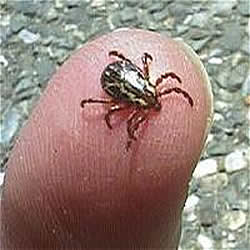
Dog Tick
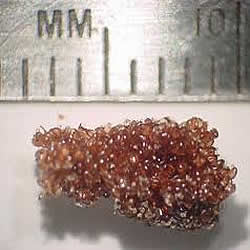
Tick Eggs
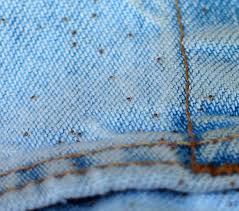
Seed Ticks
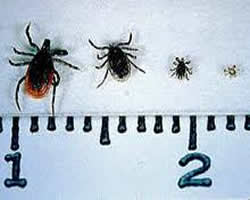
4 stages of a tick
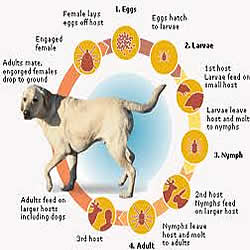
Tick life cycle
Ticks have a life cycle and are usually found on grasses and shrubs outside where they can drop on a warm passerby.
Here is some information from “The Family Vet” website on ticks.
Ticks have four life stages: egg, six-legged larva, eight-legged nymph and adult. After the egg hatches, the tiny larva (sometimes called a “seed tick”) feeds on an appropriate host. The larva then develops (molts) into the larger nymph. The nymph feeds on a host and then molts into an even larger adult. Both male and female adults find and feed on a host, then the females lay eggs sometime after feeding.
Ticks wait for host animals from the tips of grasses and shrubs (not from trees). When brushed by a moving animal or person, they quickly let go of the vegetation and climb onto the host. Ticks can only crawl; they cannot fly or jump. Ticks found on the scalp have usually crawled there from lower parts of the body. Some species of ticks will crawl several feet toward a host. Ticks can be active on winter days when the ground temperatures are about 45o Fahrenheit.
There are two groups of ticks, sometimes called the “hard” ticks and “soft” ticks. Hard ticks, like the common dog tick, have a hard shield just behind the mouthparts (sometimes incorrectly called the “head”); unfed hard ticks are shaped like a flat seed. Soft ticks do not have the hard shield and they are shaped like a large raisin. Soft ticks prefer to feed on birds or bats and are seldom encountered unless these animals are nesting or roosting in an occupied building.
Ticks prefer to attach on the head and neck, in the ears, around the anus, near the shoulder blades, and between the toes. A male and a female tick will usually attach together with the female becoming quite large as she engorges with blood. The female will detach and lay thousands of eggs in the environment. (Up to 2000 at a time!) These eggs hatch into larval ticks called “seed ticks” which sometimes are seen by the thousands on some dogs. Seed ticks must feed on blood from a dog or other mammal, then they fall to the ground and molt into a “nymph” stage. Again, the nymphs must find a mammalian host, feed on blood, and again fall to the ground and molt into adults.
When the adults find a host to feed on, the cycle is completed and begins again. This whole cycle can take from 2 months up to 2 years, and will tend to proceed faster in warm, moist weather. Because all life stages can feed on your dog, and because ticks lay large quantities of eggs, tick problems can escalate rapidly. Frequent and consistent treatment will be essential to ending and controlling the problem.
CONTROL OF TICK INFESTATION
There is no one-plan-fits-all strategy, but in short, killing and repelling ticks on the dog, and destroying and removing the eggs and nymphs from the house and yard are essential parts of any strategy.
It is best to work with your veterinarian to select safe and effective products. There are hundreds if not thousands of products sold today, many that are unproven and unsafe. Your veterinarian will generally have the latest improvements and safest agents available. Avoid untrained pet store personnel who have little training in chemistry and parasite control. Most are simply trying to sell you a product, not treat your pet in the best possible manner.
TOPICAL REPELLANTS such as Frontline tm and Advantage tm, are applied to the skin of the dog or cat where they spread out and over the entire skin area. These provide a sort of total body flea collar and are very effective in killing and repelling fleas. These agents have minimal toxicity for most pets: side effects are very rare. This is considered the “state of the art” in flea and tick control today. Avoid “knock off” products. We have seen poor performance and some severe toxic reactions from many off-brand chemicals sold in pet and retail stores.
DIPS provide quick and effective tick kill and can usually be mixed from a concentrate and poured or sponged onto your dog. You must dip about every two weeks as the dip will weaken in about that time. Do not rinse off the dip to provide residual anti-tick activity. We have had great success with Paramite Dip.
TOPICAL SPRAYS work well to quickly kill ticks, and a few will provide residual protection or prevent eggs from hatching out later. Sprays can be used between dipping, and in conjunction with topical and systemic medications. Alcohol-based sprays work best, but some people and dogs may be bothered by the fumes, so less effective water-based treatments are also available. Please ask about products currently available.
SHAMPOOS also kill adult ticks, and assist in cleaning eggs and dirt from the coat, but have minimal residual activity or effectiveness against tick eggs. Using shampoo then dipping or using a spray is the best strategy.
TICK COLLARS, if they are high quality, can help kill and repel ticks, but should be viewed as part of a tick control program and not as an end to the problem. Poor quality collars can be toxic to your dog, and can irritate the skin on the neck of your pet, so avoid the grocery store brands. Some new collars like Preventictm release their chemical ingredient onto the skin and not only kill and repel ticks, but prevent the transmission of tick-borne diseases. We do carry the Preventic collars but most people today opt for the topical Frontline.
FOGGERS and SPRAYS for the house and yard are useful in controlling the balance of your tick population. Newer foggers have time-release agents and providing kill for weeks after application. Many contain growth regulators to inhibit the hatching of eggs already in the environment. Foggers also apply their chemicals EVERYWHERE which happens to be where the ticks live, so these can be very useful in getting a bad tick problem quickly under control. Many sprays work in similar fashion but are better suited for direct application to baseboards and bedding areas where the heaviest infestations will occur.
Spaying the yard, grass, fences, patios and dirt areas with a yard spray made for ticks is also important to get tick problems under control. Spraying may be needed every 7-10 days in warmer weather, and you can do it yourself or hire professional exterminators to do the job for you. Be careful to keep your dogs away from freshly sprayed areas until they are dry. Most veterinarians will carry high quality yard sprays for home use.

Image via Wikipedia
I read today that this week, September 17-25, 2011, has been designated Adopt A Less Adoptable Pet week by PetFinder.com. I read this tonight, after returning from an errand where I visited a home I’d not been to before. I didn’t know the woman who lived there, and when she opened the door this smallish woman had next to her a great big pit bull mix.
If you aren’t familiar with my views on dangerous dogs, I’m wary of certain breeds that have a higher percentage of dangerous dogs that other breeds, this coming after an un-neutered male German Shepard bit my daughter in the face and went on to bit at least 5 more victims before the owners moved out of town to save the dog from being put down.
Needless to say, Pit bulls are squarely in that same category and this was a great BIG pit mix with the strong and muscular body of the breed. He looked menacing.
I put on my human making friends with the dog demeanor and greeted the big beast. The woman introduced her dog as Punky so I said “Hi Punky! I’m Linda – great to meet you!” Punky shyly looked at me for a moment and then dashed off to get his squeeky toy to show me.
I was instantly charmed.
Punky turned out to be a wonderful host, a show off and the gentlest and nicest dog. He was protection for this single woman and he was also her great friend. It was a nice relationship.
As I walked back to my car I thought about how preconceptions can color your views on a dog or a person. You start out either liking or disliking them before knowing anything about them.
Punky, being a Pit Bull, is a good example. Before getting to know him if I saw him in a shelter, I’d pass him by because he was a pit bull. Now that I know him, I’d take him home with me in a minute, he is that charming. Shelters often have a large number of pit bulls that are not adopted because of the breed. You want to know my advice on finding the right pet for adoption? Talk to the workers/care givers who get to know each animal in their care. They can give you great insight into the personalities the dogs and cats that are there, and suggest the perfect dog or cat for you.
So – this is adopt a less adoptable week and I applaud Pet Finders for creating this week. If you have room in your home and room in your heart for a pet, try and adopt one of the less adoptables to give a forever home to.
Linda
VetLocator.com

We all know the need to keep medication out of the reach of children. Now there’s a report out that the number one call to pet poison hot lines is pets ingesting human medications.
And its the third year in row that this has been the case.
http://www.google.com/hostednews/ap/article/ALeqM5h7qvQmAOeAXQCzoGozJimcpGoSTQ?docId=a3521adec7234233b3a314dd7ff50cc3

 I’m sorry to even write such a thing, especially because it’s my opinion that the vast – read that to mean just about all – majority of doctors and staff at a veterinary hospital, do what they do because of care and concern for pets.
But that’s just what happened to a woman recently who took her dog in for routine teeth cleaning only to receive a call later that day that the unthinkable had happened…her dog had died. Somehow the oxygen used during sedation was hooked up incorrectly by a technician…..
The hospital is one with a good reputation and they’ve been in business for many years. In fact the veterinarian and the hospital owner don’t have one complaint against them on their record.
However the woman was devastated. She still cries when she speaks of her lost dog, even though she now shares her life with a new puppy.
Here’s what the hospital did after the tragedy:
1. They (obviously) did not charge the woman.
2. They paid for the cost of a new dog.
3. They issued an apology both to her and publically.
4. They developed new guidelines so no future animal
suffers the same fate for this procedure.
So here are my questions to you:
1. Did the hospital do enough?
2. In cases such as this, do you think there should be any State/legal involvement?
3. Is there more you’d like to see published on incidents such as these?
“We don’t get into the field for anything other than our love for animals, but at the end of the day, we are human and things go wrong. This will haunt me until the end of my career.”
A tragedy.
Tell us what you think? Leave your comments below:
Adam
Daily Paws
