Archive for the ‘pets’ Category
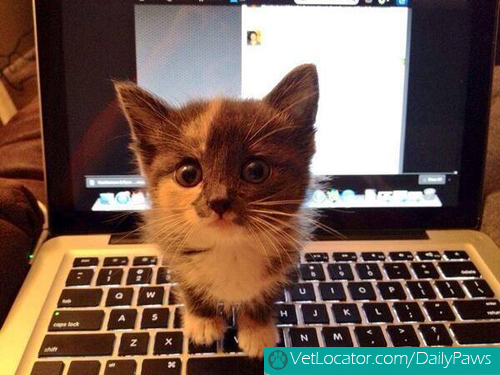
Daily Paws Picture of the Day: Kitty Needs Attention!
Friday, September 5th, 2014It’s back to school time. Make sure you include your pets!
Friday, August 15th, 2014School is just around the corner for most of us, and that means getting ready for a big change in routine too. Are you ready for it? 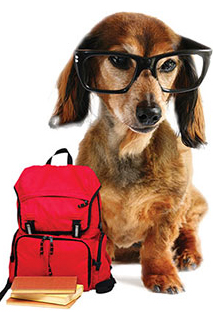
With all the excitement of the kids going back to school, many families may not think about what it means to the dog or cat.
Pets often get anxious when kids go back to school
You’re out gather supplies, getting new clothes, going to appointments and so on, and it’s easy to forget what might be happening with your pets during this same time. Many pets realize something is about to happen (pets are good that way, they try and anticipate what we are doing and how it will affect their daily routine). Like most humans, pets crave a routine they can count on and back to school routine changes can make them worried, anxious and depressed.
When that happens what you may notice are changes in your pet’s behaviour, see them acting sad, moping around and sleeping a lot more. Your dog begins chewing things, your cat is not using the litter box or you see other signs of acting up. Yes, back to school time can be very stressful for your pet.
Pets love routine because it makes them feel secure. They like knowing that certain things happen around the same time each day and they know what they are supposed to be doing when it happens. If your pets have spent the summer having kids around all day and suddenly they are gone most of the day and busy with homework at night, that can really hurt because it is a different routine and one that they’re not part of. Some pets just feel sad and confused and others feel real separation anxiety and may show it by misbehaving.
Kids and parents can help pets get through the blues by making them part of the back-to-school routine.
This is a family matter and a good opportunity for the kids to get an understanding of how changes can affect their pets. Let your kids know that their dog or cat is going to miss them when they’re gone all day and discuss what they can do to help them through through it.
Among the best ways for a pet to get over the loss of one routine is to immediately create another routine. If your pet knows that at 3:45 your youngsters will be home from school ready to play with him before they begin their homework, your pet has something totally new to look forward to. As you are working out your children’s school time routines, be sure to integrate time spent with your pets in there. Most pets like to have their family job and share time, so one of their jobs might be to sit or lay while your child reads to the pet. If you think of it, there can be many ways your pets can ‘help’ and be included in the new routine. And once they know what the routine is and where they fit in it, they will relax and continue to be the furry family member that adds so much to your lives.
And while you are out shopping for new back-to-school clothes, why not get something new for your pet? A new snazzy collar or leash to use when you walk the kids to the bus stop or for their ride when you take the kids to school.
It’s up to you and your kids to make your pets feel secure in ways they understand. And if your pet is still having issues with the kids being back in school, give your vet a call and discuss it with them. After all, that is what we help pet owners do every day, find the right pet professional to help pet owners have happy and healthy pets!
Poodle Eating Ritual
Wednesday, August 6th, 2014Louie the poodle demands to prepare his own supper because only he knows the ratio of the wet and dry food that he prefers. He will decline to consume if any other person mixes his food.
Daily Paws Picture of the Day: Adorable Kitty!
Wednesday, July 23rd, 2014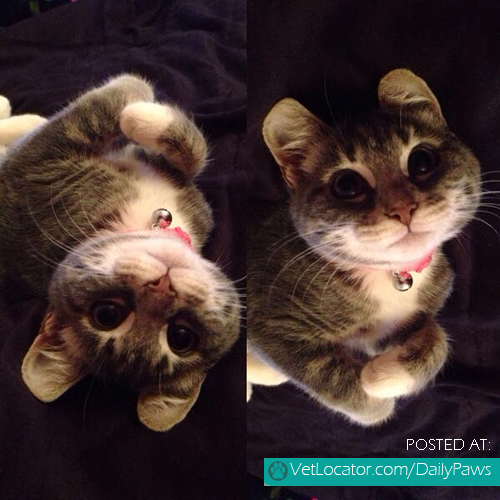
Daily Paws Picture of the Day: Just some Tortoises Skateboarding!
Tuesday, July 22nd, 2014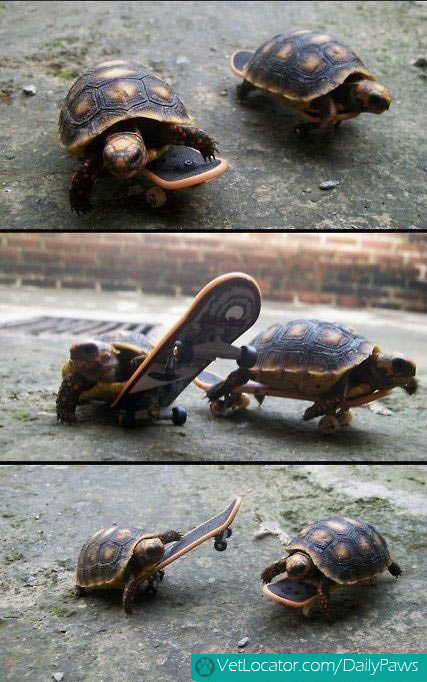
Daily Paws Picture of the Day: Adorable Baby Red Panda
Monday, July 21st, 2014Daily Paws for
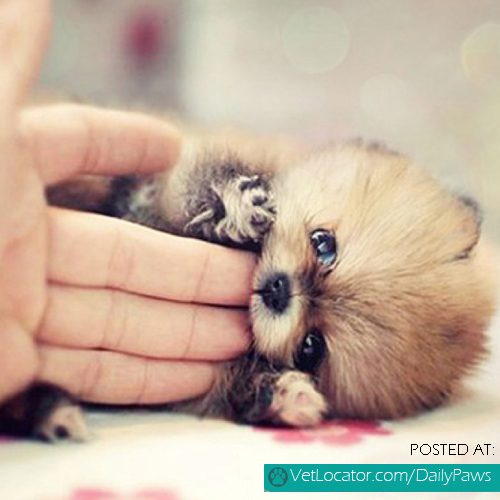
Daily Paws Daily Picture of the Day: Say Cheese!
Thursday, July 17th, 2014Daily Paws for
URGENT: 3 Dog & Cat Food Brands Recalled for Salmonella
Friday, February 7th, 2014Pro-Pet LLC Recalls a Limited Number of Dry Dog and Cat Foods Due to Possible Salmonella Contamination – No illnesses have been reported, this is a precautionary alert!
FOR IMMEDIATE RELEASE – February 5, 2014 – Pro-Pet LLC, St. Marys, Ohio, has initiated a voluntary recall of a limited number of Dry Dog and Cat Foods for possible Salmonella contamination. A single field test indicated products manufactured during a two day period, on a single production line may have the potential for Salmonella contamination. Pro-Pet LLC is voluntarily recalling the potentially impacted products made during this timeframe. There have been no reports of illness related to this product to date.
Salmonella can affect animals eating the products and there is risk to humans from handling contaminated pet products, especially if they have not thoroughly washed their hands after having contact with the products or any surfaces exposed to these products.
Healthy people infected with Salmonella should monitor themselves for some or all of the following symptoms: nausea, vomiting, diarrhea or bloody diarrhea, abdominal cramping and fever. Rarely, Salmonella can result in more serious ailments, including arterial infections, endocarditis, arthritis, muscle pain, eye irritation, and urinary tract symptoms. Consumers exhibiting these signs after having contact with this product should contact their healthcare providers.
Pets with Salmonella infections may be lethargic and have diarrhea or bloody diarrhea, fever, and vomiting. Some pets will have only decreased appetite, fever and abdominal pain. Infected but otherwise healthy pets can be carriers and infect other animals or humans. If your pet has consumed the recalled product and has these symptoms, please contact your veterinarian.
| Product | Best By | Lot Code | UPC Number |
|---|---|---|---|
| 40 lb Hubbard Life Happy Hound Dog Food | 05 06 14 | 096 13 SM L2 2A | 1219033878 |
| 40 lb Hubbard Life Happy Hound Dog Food | 05 06 14 | 096 13 SM L2 1A | 1219033878 |
| 18 lb Hubbard Life Cat Stars Cat Food | 05 06 14 | 096 13 SM L2 1A | 1219033873 |
| 40 lb Hubbard Life Maintenance Dog Food | 05 06 14 | 096 13 SM L2 2A | 1219033875 |
| 15 lb Joy Combo Cat Food | 05 06 14 | 096 13 SM L2 1A | 7065407721 |
| 40 lb Joy Combo Cat Food | 05 06 14 | 096 13 SM L2 1A | 7065407713 |
| 40 lb Joy Combo Cat Food | 05 06 14 | 096 13 SM L2 2A | 7065407713 |
| 20 lb QC Plus Adult Dog Food | 05 07 14 | 097 13 SM L2 2A | 2351780103 |
| 40 lb QC Plus Adult Dog Food | 05 07 14 | 097 13 SM L2 2A | 2351780104 |
| 40 lb QC Plus Adult Dog Food | 05 07 14 | 097 13 SM L2 1A | 2351780104 |
These products were distributed through select retailers, distributors and on-line consumer purchases in Arizona, California, Colorado, Connecticut, Florida, Georgia, Iowa, Illinois, Indiana, Kentucky, Massachusetts, Michigan, Minnesota, Montana, North Carolina, North Dakota, Nebraska, New Jersey, New Mexico, New York, Ohio, Pennsylvania, South Dakota, Tennessee, Texas, Virginia, Washington, Wisconsin and West Virginia
No other products/lot numbers are affected by this recall.
Customers should immediately discontinue use of any impacted product and contact Pro-Pet at 1-888-765-4190 for disposition.
For more information on the recall, customers can contact the customer service line for Pro-Pet at 1-888-765-4190. Customer service representatives will be available Monday through Friday 8 am to 5 pm CT.
For more information and recalled product photos, check FDA website.
Pet Grooming is good for your health (and your pet’s health too)
Friday, July 27th, 2012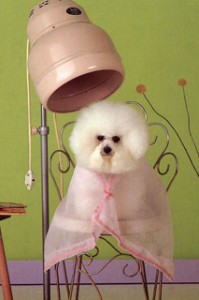 When you look at a dirty pet, what do you see?
Dirt, germs, bugs, stinkiness, things that can make you sick.
Feeling queasy? Me too.
While your pets do not normally affect your health in a bad way (unless, of course you have a pet allergy), there is a chance that a dirty pet can introduce something unpleasant into your household that you’d rather not meet.
So having a cleaned up pet, aka pet grooming, is good for your health. See how that is?
And it is also good for your pet’s health too!
Here is a recent article by Dr. Dave Altman of Animal Hospital of Onslow County in Florida:
“Pet owners who view grooming merely as a way of making their animals look and smell nice may not understand the veterinary necessity of such procedures. “Pet grooming is more than just a vanity measure — it’s an essential part of preventative care,” says Dr. Altman. “Grooming at a veterinary facility can prove invaluable for early detection and prevention of many health problems.”
A typical grooming session at the animal clinic may include bathing, trimming of hair and nails, dental cleanings and anal gland expression, accompanied by a careful evaluation of the pet’s skin, eyes and ears. “Bathing and hair care procedures allow us to learn a lot about the current state of a pet’s health,” explains the vet. “We examine the skin for any signs of trouble such as hot spots, lumps or obvious infections. We can also determine whether the pet suffers from flea, tick or mite infestations.” The vet adds that any such problems can be promptly treated with hypo-allergenic medicated shampoos or other products. “The mere act of bathing can do wonders for the skin by removing pests and cleansing the skin surfaces of oils that serve as bacteria.”
Nail trimming also plays an important role in pet care, according to Dr. Altman. “Most pet owners trim their animals’ nails to preserve furniture and flooring, but this kind of grooming can also preserve a pet’s health,” he says. “Indoor pets in particular do not wear their nails down the way a wild animal would. So the nails get longer and longer until they eventually catch on something and tear away from the paw. This is not only painful, but it also gives bacteria a chance to enter, especially if the pet licks the wound.” Regular nail trimming, the doctor explains, can help prevent this type of injury. “You can trim your pet’s nails yourself, but a veterinarian or professional groomer can do the job more efficiently — and without accidentally causing harm.” The veterinarian adds that anal gland expression is another task many pet owners prefer to leave to the pet grooming professional.
Some Jacksonville pet owners might not associate dental cleanings with grooming, but Dr. Altman notes that the inside of your pet’s mouth benefits from cleanliness just as his skin and fur do. “Proper dental care helps prevent tooth decay and dangerous gum infections. All of these procedures work together to keep your pet healthier and more comfortable,” says Dr. Altman.”
Grooming your dog or cat at home (between trips to the veterinary groomer) is a good way to do your own observations of how your pet is doing, and also to increase the bond you share with them.
Many pets see getting brushed as an petting, other form source of petting. It feels GOOD!
As you brush, pay attention to any tender areas, bumps, cuts or other things about their skin or body that might be concerning. Of course, keep an eye open for fleas and ticks, and get those critters removed right away when you spot time.
Brush or comb the whole body, including the ears, collar area and belly. If you can, brush daily. If not once a week or more is good.
Check ears and wipe clean if they are dirty.
Check teeth. Some people brush their pet’s teeth and you can find lots of products at any large pet store as well as purchasing them from your veterinarian or groomer so that you can do this at home between professional teeth cleaning visits.
Your veterinarian or groomer will also have tips for grooming your particular pets that with help you between visits.
As you do these cleaning and bonding activities, keep a notepad nearby to remind you of any questions you want to ask next time you take your pet in for a check- up. And it goes without saying, if you find something that concerns you, get your pet in to see the vet right away.
Looks good, smells good, stays healthier and loves you even more….what’s not to like about grooming????
Plus, pet grooming is good for YOUR health too!!
To find a local or specialty veterinarian who offers grooming services, just check our directory at http://www.vetlocator.com
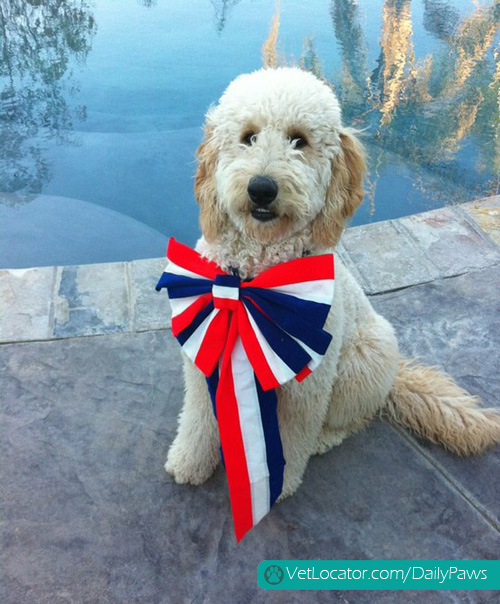
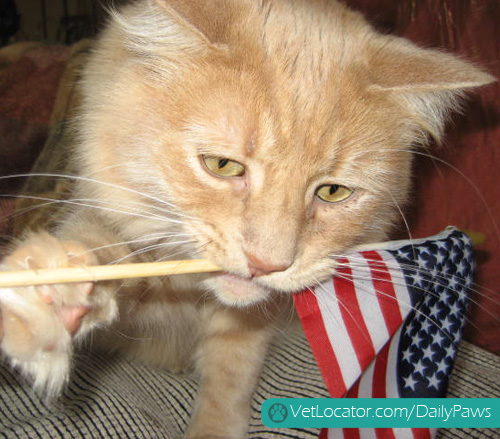
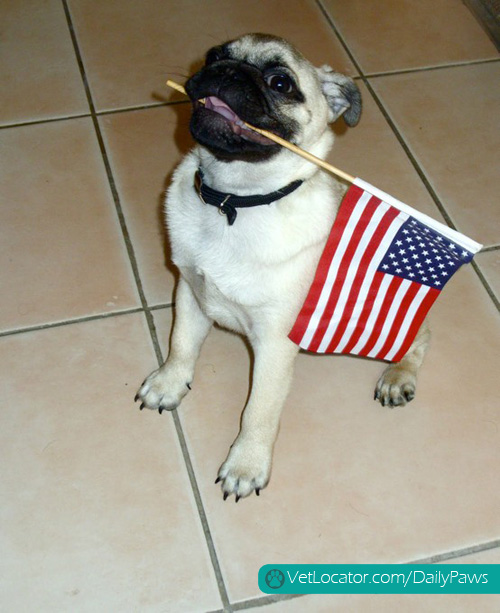
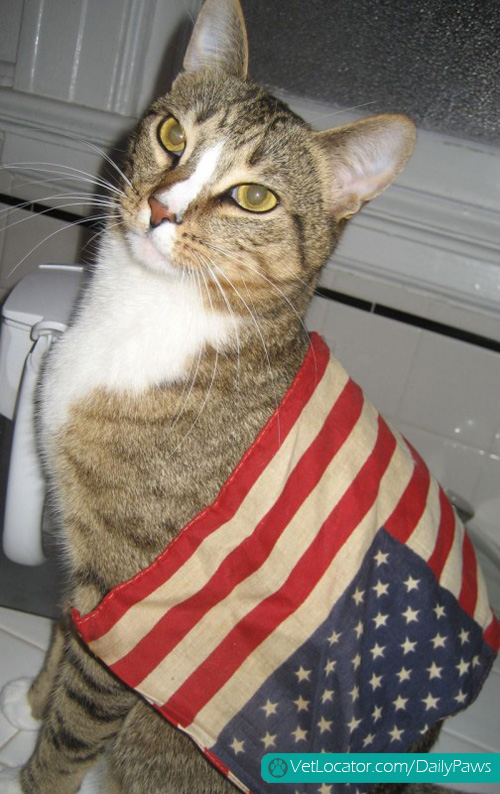
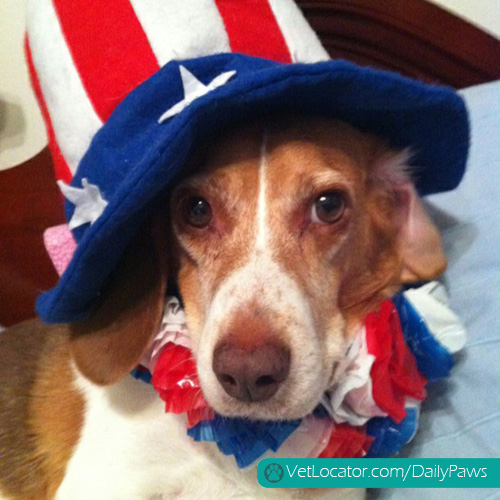
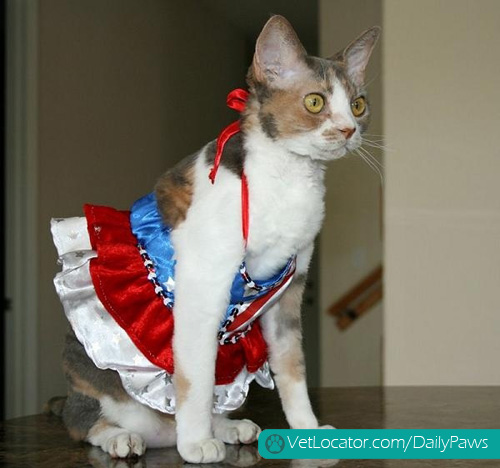
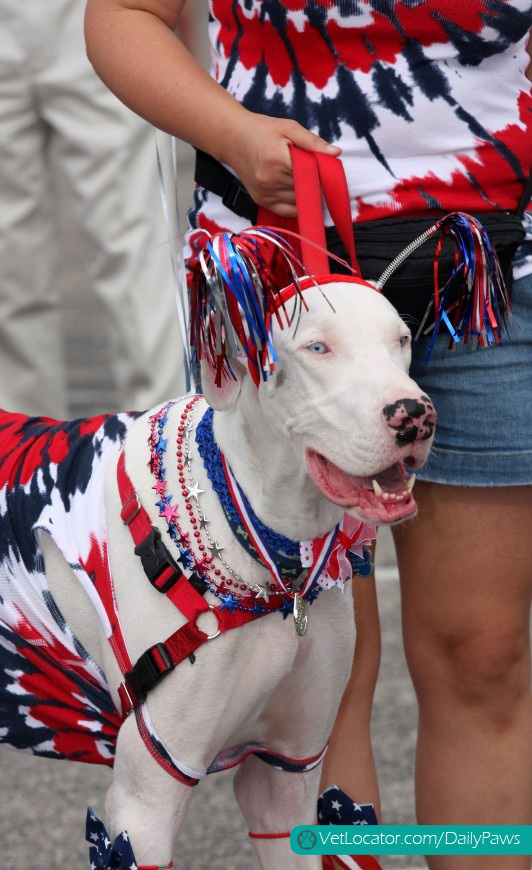
Patriotic Pets – Happy 4th of July!
Tuesday, July 3rd, 2012