Pet Store

Pet news, tips, entertainment and opinions from VetLocator.com

Give your pet a voice, literally!

October 12th, 2010

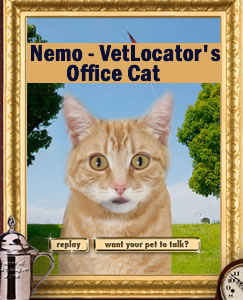
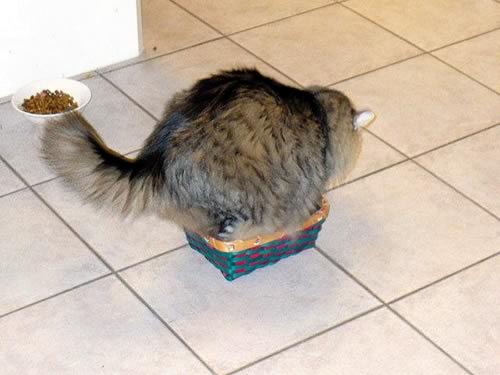
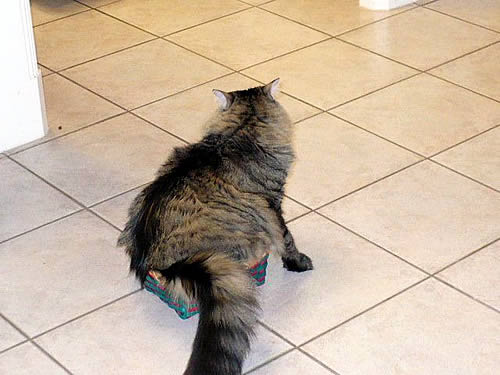
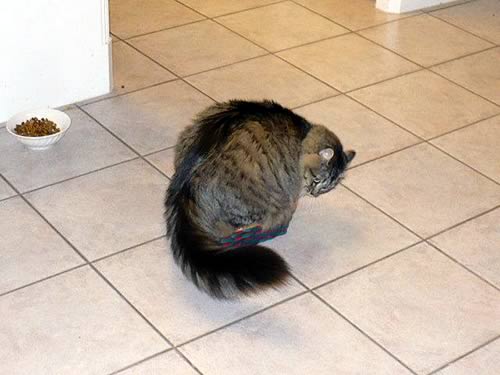
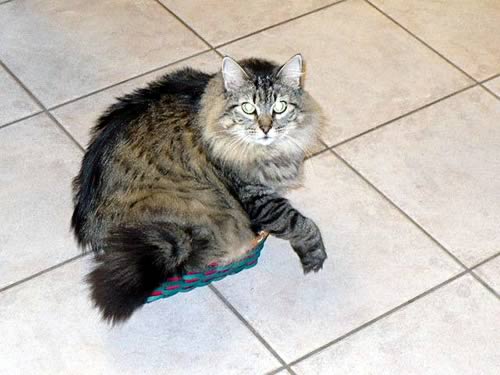
Nemo - VetLocator's office catThis is Nemo, one of our VetLocator office mascots whose job it is to brighten our days, be our spokes cat and keep the place free of any and all creepie crawlies.

He fulfills his duties faithfully and in exchange we keep his food bowl filled twice a day, keep him healthy, and he gets lots and lots of attention and love.

But there are some days when he fixes us with his big yellow cat eyes and I know he is trying to talk, to tell us what’s on his mind at that particular moment.

Does that ever happen with your animals?

Help them out by giving them a voice.

Just click this link to hear what Nemo had to say when we gave him a voice (and we got to choose what we thought he’d sound like too) and then follow the instructions to give your pets a chance to say what’s on their mind!

Linda - VetLocator.com

October is fire safety month. We have a plan for you and your pets!

September 30th, 2010

My sister called me today to tell me it was 111 degrees in Long Beach California.  111!  Oh, right.  It’s Indian summer right now – it happens every year –  and the temperatures hover in obscene ranges as the dry Santa Ana winds punish region.  Often these dry winds are accompanied by California fires (in fact, I just stumbled across a website that lists all fires in California.  http://cdfdata.fire.ca.gov/incidents/incidents_current )-  there were 12 major fires just this month!

But no matter where you live, having safety precautions in place in the event of a fire is important.

Recently I wrote about pet fire safety for you and your pets called, oddly enough, Fire Safety for Your Pets.  If you missed reading it, now is a good time to review- it being fire safety month and all….  The article discusses things you can do to make you and your pets safer in the event of a fire.  There is also a link to ADT’s website where, in exchange for your name and address, they will send you a free window decal indicating pets are inside.  These decals are good to have in the event of any emergency where your home is evacuated.  Rescuers will know to check for pets in the event you are not home when the evacuation occurs.  Your pet’s lives just might be saved because of that decal.

Here is the link to get a  free decal for yourself:  http://www.adt.com

The second part of your plan should be to have an evacuation plan in place.  I mentioned California – land of earthquakes and wildfires.  Well now I’m in Florida land of hurricanes.

As a result of living here, we’ve written several articles on hurricane evacuation plans, and those plans work just as well when planning an evacuation for any type of disaster be it hurricane, earthquake, tornado, flood, fire, etc.  You’ll want to have some things handy in the event you have to vacate suddenly and the time to put them together is before you need them.

Here are a couple of articles that you can use as guidelines for putting together your own plan:

Pet First Aid Kit :  It is always best to be prepared for emergencies and this applies to your pet’s health as well as to your own. A good suggestion is to have a Pet First Aid Kit handy located near your own First Aid Kit. We’ve put together a suggestion for what your kit should contain with our Pet First Aid Kit Checklist:

  • A card with your veterinarian’s phone number and the location of the closest emergency pet hospital and the poison hotline (you can find information for both all of these at www.vetlocator.com)
  • A roll of gauze to cover wounds. Gauze can also be used to wrap around the muzzle or beak of a wounded animal to keep them from biting.
  • Non-stick gauze pads for wounds
  • Towels for clean-up, covering the animal while moving or to keep warm.
  • Adhesive tape for bandages
  • 3% hydrogen peroxide for cleaning wounds
  • Eyedropper for giving medicine orally (a syringe without the needle works well too)
  • Saline solution to flush out debris in the eyes
  • A couple of pairs of disposable rubber gloves
  • Tweezers
  • Soap
  • Some extra food and treats
  • Leash or rope
  • Pet CPR reference from www.vetlocator.com

You should call your veterinarian as soon as you can to get advice on what to do in the emergency your pet is going through. If you suspect that your pet has been poisoned, let your veterinarian know, or call the poison hotline immediately. You will be given instructions on how to proceed in the quickest way to help your pet.

Remember, it is important not to panic. If you suspect poison, time is critical so telephone someone right away. www.vetlocator.com has many resources available for maintaining the health of your pet in our resource library, www.vetlocator.com/library.php.

Editor – Daily Paws

Our new Facebook page

September 24th, 2010

VetLocator and Daily Paws have had Facebook Fan pages for awhile but we’ve just begun using them in earnest.

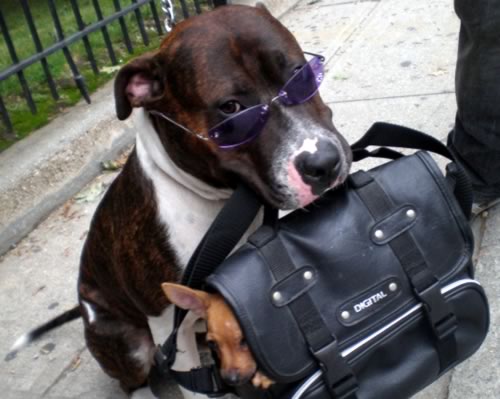
Here is our new mascot who made his debut on our Fan Page.  What do you think?

Vetlocator.com - Chihuahua mascot

Pictures: It used to fit!

September 20th, 2010

Used to Fit!
Bookmark and Share

Most females can identify with this:

You find something ‘festive’ you’d like to slip into


It seems a little small, but you’re QUITE SURE that in recent years,
you’ve worn this size.

———————————————————–

So, you work with it…
————————————————————————-

You try it on different ways…..
————————————————————————-

A little pushing here, a little squeezing there
————————————————————————-

You examine yourself from different angles …
————————————————————————-


Finally you admit that it does feel “A LITTLE tight.”
————————————————————————-


Someone offers you a larger size,
which you find HIGHLY insulting!

————————————————————————-


I mean, it might be a tight fit, but you still look GOOD!!
————————————————————————-

Admit it girls,
Haven’t we all been there?!

——————————————————————–

Sign up for Daily Paws and receive a free gift from VetLocator.com

Pet Anxiety: Waterproofing your pets

September 16th, 2010

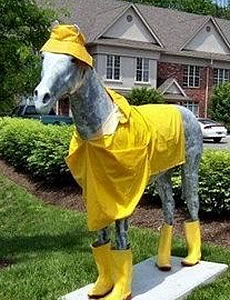
Please excuse the funny headline.  It’s been raining here and I’ve been dealing with wet everything – including wet cats – so waterproofing is probably something I’ve had attention on more than I should….however…there is a good point to the headline.

During my life I’ve had several animals that had a great fear of water, dogs and horses and cats – (cats – yes – normal to dislike water).  I discovered the horses’ fear while galloping along a trail that had a teensy tiny ribbon of water crossing it.  That horse stopped abruptly and nearly threw me, then stood snorting and prancing, eyes showing lots of white as he stared at the ‘danger’ in front of him.

The dogs fear would show up for baths, trips to the lake, playing with the hose in the yard, normal family stuff.

These pets were not waterproofed and their fear of water caused me a variety of difficulties over time.

Why were they afraid?  I have no clue and I didn’t try and find out.  Determining why your pet is fearful isn’t always essential to treating the fearful behavior, although why they are afraid has a lot to do with the success of any training you use to help them overcome that fear.

Once I realized there was a fear of water, I helped the horse and two of the dogs overcome their  fear in the same way. I desensitized them to what was scaring them.

First I created a very calm and safe space for them and got them calmed down and feeling safe again.  Then I introduced water to them in very small doses – for the dogs a small bowl that I placed near them and then splashed my fingers in, then gradiently increasing the water interaction until they were comfortable swimming in it.  It wasn’t an immediate solution but eventually they both were fine with water.

The horse and I were on the trail when I discovered his fear and I had to get him across that water to get home.  I dismounted and let him look and snort and paw at the small stream, letting him stay on the safe side and then I walked across and gently tugged him to follow.  His leap across that 1 inch ribbon of water was HUGE :).  Then I just repeated the action over and over until he was bored, then I mounted and we walked across together.  After that he was fine with water and grew to love running and splashing in it at every opportunity.  I used that same method for him and his fear of street traffic, barking dogs, bikes, blowing paper, etc. etc. etc.  After awhile he was the safest horse to ride in the stable.  He was great.

However there was a dog that, no matter what I did, never lost his fear of water.  He’d cringe at the site of a body of water and would quiver and shake if I tried to get him close, much like that little dog I mentioned in this week’s newsletter.  His owner finally gave up trying to get him to walk and he scooped him up and held the shivering little guy in his arms as he walked along with the terrified pooch held close.  Poor little dog.  For my guy, just the sight of a large body of water was enough to make him run in the opposite direction.  I was not ever able to make getting in water ‘safe’ for him. He lived his life with that fear and stayed home if we went to the beach or lake.  That was sad for both of us because he missed out on so much fun and I missed out on having my best friend by my side during those water times.

Today I’d do things differently for my friend and today I’d call in a very skilled and wise woman I know – she calls herself a holistic pet life coach – Marlo Kimmel,  to discover what caused the fear in my dog and get that fear handled.

In working with my own and other’s animals over the years I’ve learned that for some pets I can use my knowledge and skill to help and sometimes I need help from someone with more skill in order to help them.  At those times I turn to our veterinarian or other pet professional if it’s health related and today for psychological or training problems I turn to Marlo.  Thankfully she’s local, but she also consults by phone and is flown around the United States, she’s that good. And every time she is asked to help,  she’s able to pinpoint a course of action that brings a good resolution to the problem the animal is having.  She’s wonderful and from the testimonials I’ve read from her other clients, most describe her in just those words. Wonderful.

If you want to find someone like Marlo (trainer, consultant, pet nutritionist & problem solver) you can use our Holistic/Alternative directory and just put in your zip code.  There are many wonderful healers and problem solvers in it.  If you’d like to talk to Marlo directly just click the link to go to her listing.  She’s offering a free initial consultation to 10 pet owners when you mention VetLocator.com or Daily Paws, so if you have a tough pet problem, I’d give her a call to take advantage of her generous offer..(There were 11 openings but I already got the first one 🙂

Oh, and cats?  Yes cats can be desensitized to water too.  You’ll enjoy seeing many examples of this in our pictures and videos feature:  Cats Swim Pictures can be found HERE and at the bottom of the pictures is a link to the videos.

What do sink holes and camels have in common?

September 15th, 2010

Sink holes.

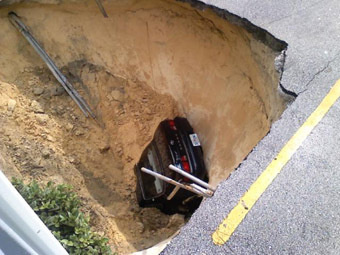
I’d hardly ever heard about them when I lived in California.  Now I’m in Florida and in Florida, they’re a way of life.  Stories like this one of a sink hole opening up this past July and swallowing a car is not that unusual.

Sinkhole swallows Toyota

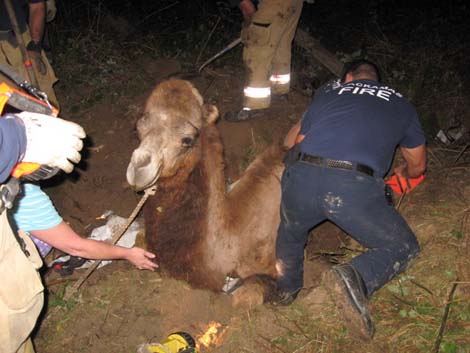
But even I had to read this headline twice “Firefighters rescue CAMEL from Oregon sinkhole

It seems that a family’s pet camel, Moses, accidentally fell into a local sinkhole and got stuck and it took firefighters over 4 hours to rescue him.

Camel gets stuck in sinkhole.

The camel, stuck in mud up to its shoulders, was successfully freed after heavy lifting equipment was used to get him out of the hole.

The good news? Despite the four-hour ordeal, Moses was just fine.

His owner Kim Dilworth was relieved at the rescue: “… Moses is like our child.”

And the story behind why Moses is living in Oregon to begin with? The family bought Moses and his brother, Bethlehem, for live nativity displays at their home and around Oregon City.

Ahhhh.  So now you know what sink holes and camels have in common. It all makes sense now.

All except Oregon having sink holes that is.

Affording pet care: Some ideas to keep pets healthy

August 25th, 2010

kitten lifting weightsThis week I received three different emails asking for help from three different pet owners with the exact same topic:  “Help!  We can’t take our pet to the vet because we don’t have the money. ”

I couldn’t help them.  I wish I could but I can’t.

It tore my heart out.

It’s no secret that pet health care can be expensive.  It can and often is. Veterinarians live in the same world we do and, like many of us, their costs for doing business, buying new equipment, specialized education and investing in keeping our pets alive longer has gotten more expensive.

Things that affect us in the economy affect them too.

Today even I think twice before I take my pets in for something because I never seem to get away from my veterinarians office for less than $100.  It’s like Costco.  I can never go in without spending at least $100. It’s weird.  So I try and plan our trips, both to the veterinarian and to Costco.

And is the price worth it when I do go?  Usually yes – (although I sometimes get ticked off that all fees where I go come from a computer generated program.  The computer spits out the price for ‘____treatment’ whether it was a 5 minute treatment or a 30 minute.  Those fees sometimes seem a LITTLE high)…and over-all I usually am fine with paying my bill.  I just don’t go out of my way to take my pets there except for routine wellness or real emergencies.

While I don’t want to spend money unnecessarily at the vets, I want to make sure he’s there when I need him.  I count on him being there.  I want to have a place to take my pets that can handle whatever health crisis arises.  I want state-of-the-art, life saving stuff there WHEN my pet needs it.

Don’t you feel the same?  I pay my bill thankful that this wonderful man is there to help keep my pets well and healthy.

So lets talk a little about today. About affording pet health care today, in today’s economy with today’s things happening.

What can you do?

Do what you can to keep your pets healthy which goes a long way to keeping pet care affordable.

  • The first thing is educate yourself as a pet parent about your pet and pet health.  The internet gives you instant answers to common questions and you can find answers in many other places including your library and pet store, other pet owners.  Your veterinarian will be happy to help you with questions you might have too.
  • Healthy basics are the same for both you and your pets.  These basics include good nutrition (educate yourself on what this is for your pet), ample exercise and emotional health (enough love and spending enough time with you and enough play). Keep the basics IN for best results.
  • Look at both traditional and complimentary pet health methods.  There is wisdom in both and more and more today you’ll find formerly alternative methods being used in traditional veterinary clinics.  For example, it’s becoming common to find acupuncture being offered as a treatment in many clinics and hospitals.
  • Make sure you take your pets in for their annual check-ups, including blood tests, as these can allow early diagnosis and early treatment (usually less expensive) for health issues.
  • If you can afford it, buy pet insurance.  Pet insurance comes in all shapes and sizes.  It’s  least expensive when your pet is young.  When shopping for insurance, make sure you compare policies, comparing ‘apples to apples’,  paying particular attention to what is covered and what the companies definition of  preexisting conditions is.  Having pet insurance in the event of a serious occurrence can be the difference between choosing to let your pet live or die because of affordability.
  • I also use the internet to shop wisely for those brands that I feel are the healthiest for my animals.  I’ve gotten coupons and free samples from companies who want to introduce me to their products and I use these when I shop.

I’ve been doing these same things for several years and, overall, the results have been good, our pets are healthy and our pet health care costs aren’t out of hand.  It’s a little extra work to stay healthy but the benefits far outweigh the effort.

So to you and your pets I say

Stay healthy affordably!

Enhanced by Zemanta

The incredible patience of dogs

August 22nd, 2010

The incredible patience of a dog
Bookmark and Share

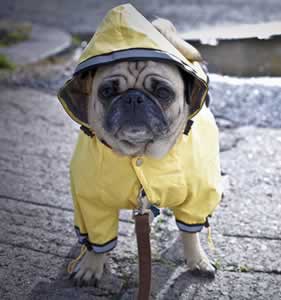
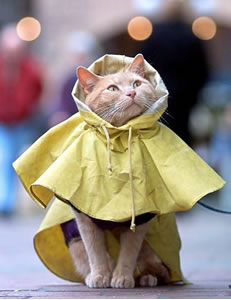
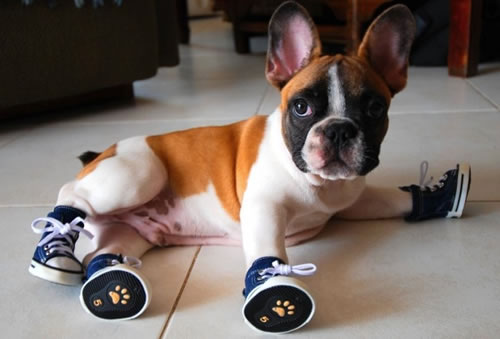
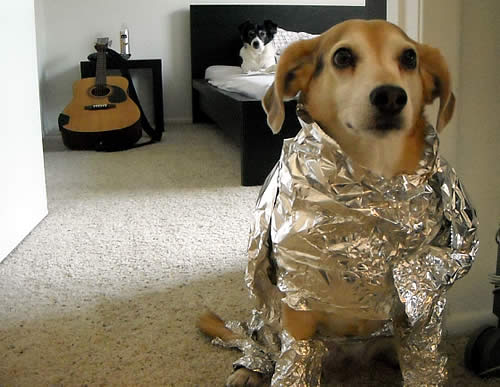
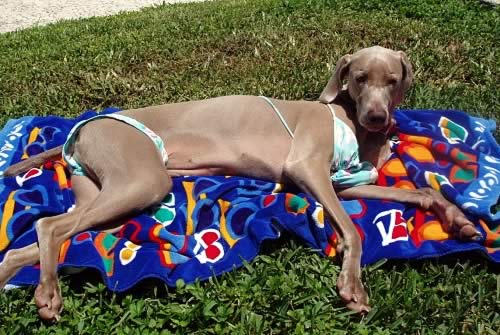
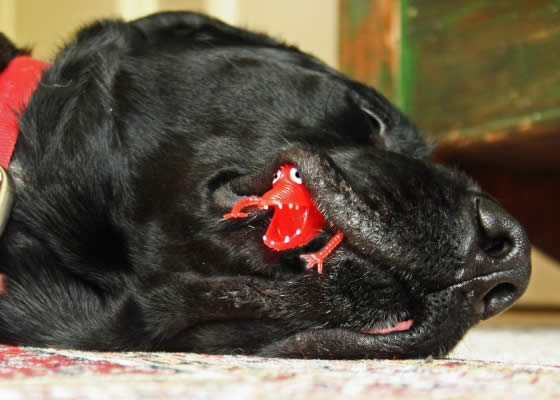
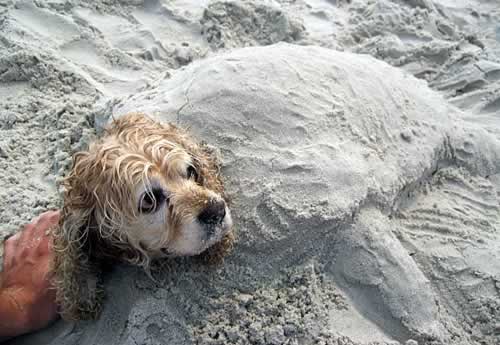
We’ve all seen those cute and funny pictures of dogs dressed up or posed by their owners.

It makes me think of two words: Love and patience.

Here are some wonderful examples of the patience dogs show because of their love for us

Enjoy

———————————————————–


————————————————————————-


————————————————————————-

————————————————————————-

——————————————————————–

——————————————————————–

——————————————————————–

——————————————————————–

——————————————————————–

Sign up for Daily Paws and receive a free gift from VetLocator.com


Sign up for our “Daily Paws newsletter” that includes a funny or inspiring pet video, pet picture and we usually include a pet joke or pet quote.

What exactly is Salmonella and what should you know about it?

August 19th, 2010
Color-enhanced scanning electron micrograph sh...
Image via Wikipedia

Linda

Products being recalled because of possible salmonella contamination, like the 380 million egg recall, are dominating recent news headlines.  Pet food products in particular (Iams cat food, Eukanuba dog food, Merrick pet care treats and many more since the beginning of the year) have been the subject of recalls for the same reasons, possible salmonella contamination.

Why?

Why so many recalls for salmonella in such short amounts of time?

Here is some information on what salmonella is, why outbreaks may be on the rise, and some things you can do to prevent ingesting the virus:

What is salmonella?

from http://www.wisegeek.com/what-is-salmonella.htm

Salmonella refers to a genus of rod shaped bacterium, named after their discoverer Daniel Salmon in 1906. Some of these salmonella bacterium are responsible for many illnesses in humans and other animals. Most commonly, salmonella is the cause of food poisoning and typhoid fever. Salmonella lives in the intestines of mammals, birds and reptiles and is usually harmless.

The type of salmonella that is a health hazard is usually contracted by touching raw meat, raw eggs, raw shellfish or unpasteurized animal products such as milk and cheese. Salmonella bacterium can also be acquired by touching living turtles, birds and humans that have the bacteria on their hands. Salmonella is not a threat until it is ingested, which is one reason why hand washing is important.

Salmonella food poisoning is the result of touching or eating contaminated foods. Its symptoms include diarrhea, vomiting, abdominal cramps and fever. Many foods that people prepare in their home, especially meats and poultry, have warning labels about safe handling on the packaging for this reason. Meat that is not properly cooked or food that is not temperature controlled is often the result of salmonella poisoning when eating out.

Salmonella poisoning usually goes away on its own without treatment in 5-7 days. However, if vomiting and diarrhea are severe and prolonged, a person can become dangerously dehydrated and must seek medical help. In addition, infected infants, the elderly and people that have weak immune systems often need medical care because salmonella sometimes spreads to the blood stream and can possibly become fatal.

Salmonella infections are zoonotic (from Wikipedia)

Zoonotic means the infection can be passed from human to animal and vice versa.  Recently there was an announcement of the first case of human salmonella traced to pet food (August 9, http://www.medpagetoday.com/PublicHealthPolicy/PublicHealth/21576).  An excerpt from this article:

Most of the salmonellosis cases among young children were significantly associated with feeding pets in the kitchen, possibly leading to cross-contamination — highlighting the importance of proper handling of pet food, Behravesh and co-authors wrote in article published online in Pediatrics.
No statistical association was found between illness and children placing pet food in their mouths, the authors added.

The discovery of the pet food link to human salmonellosis led to large recalls of several brands of pet foods and the eventual closing of the plant where the products were produced.

“This investigation resulted in identification of the first documented outbreak of human salmonellosis linked to the use of dry dog and cat food,” Behravesh and co-authors wrote. “Dry pet food may be contaminated with Salmonella and could be an under-recognized source of human infections, especially in young children,” they concluded.”

Why?

Here is an article from 2008, written after a large-scale salmonella outbreak killed several people and affected most areas of the United States.  There is some good information on a probable reason we’re seeing such an increase in outbreaks.  You may or may not agree with the authors of this article, but their conclusions make sense to me.

Salmonella is one of the most common causes of food poisoning in the United States, with about 40,000 cases confirmed each year; because many milder infections are never diagnosed, however, the CDC and USDA estimate the real number of cases may be more than a million. About 15,000 of those people are hospitalized each year, and roughly 400 die. But despite its prevalence and stealth — salmonella doesn’t affect food’s taste or smell — the precautions to avoid salmonellosis are simple. The main ones are second nature to many: Wash your hands after using the bathroom and after handling raw meat. (Click here for more prevention tips.)

Still, consumers have limited control over sanitation of food; a lot of hands touch it before ours do. We can Purell our palms dry and blacken the taste out of our steaks, but we often have little choice but to trust all the farmers, factory workers, butchers and busboys not to be lazy or careless. Global and domestic food industries feed millions of Americans every day without overtly betraying that trust, but there are always a few bad apples. And lately the bunch has been especially rotten.

Food-borne again
Major outbreaks of food-borne illnesses such as salmonella and E. coli have repeatedly gripped the United States in recent decades, part of a trend toward more widespread, if not necessarily more frequent or deadly, bacterial pestilence. Over the last four years especially, several high-profile eruptions of food poisoning have catapulted these bacteria into the national spotlight, and the most recent one has Washington buzzing about overhauling the FDA. But why are these outbreaks bigger than they used to be?

For one, the rise of big agriculture has practically set the table for them. Disease-causing bacteria and viruses thrive when one species of host congregates in high densities, and concentrated animal feeding operations offer a dream home for salmonella and E. coli. Huge farms and food-processing plants also supply a wider swath of people than pre-industrial growers did, meaning a single outbreak has a better chance of exploding into a far-reaching epidemic.

Bacteria are also becoming more resistant to antibiotics, a problem that by the mid-’90s had grown so dire the CDC, FDA and USDA collaborated to establish the National Antimicrobial Resistance Monitoring System, which tests salmonella and other microbes for their reactions to our pharmaceutical onslaught. This immunity is a result of overexposure: The more often bacteria come into contact with antibiotics, the more likely they are to develop resistance. That’s because the drugs kill the most susceptible bacteria but often leave a few stronger survivors to reproduce and fill their place, creating a new generation of hardier bugs.

Large-scale agriculture may have a hand in this, too, since farmers routinely give their animals antibiotics to stop bacteria from seizing on the unnaturally high concentrations. A 2005 study blamed the emergence of a multidrug-resistant type of Salmonella Typhimurium — a common strain that caused the recent U.S. outbreak — on “modern intensified farming and food production methods and global trade with live breeder animals.”

And while there’s no evidence they have yet, these outbreaks could get deadlier. Because bacteria that survive antibiotics proved tougher than their fallen comrades, they may also be stronger in other ways, such as virulence. Bacteria can evolve notoriously quickly; when astronauts took salmonella into space during a 12-day research mission in 2007, it responded to the low-gravity environment by becoming three times more lethal.

What you can do to prevent infection:

from the Health Canada article Salmonella prevention

There is no vaccine to prevent salmonellosis, but you can minimize your chances of contracting it by following these steps.

  • Contaminated foods may look and smell normal. Thoroughly cook foods to destroy the bacteria.
  • Do not eat raw or undercooked eggs, poultry or meat. Remember raw eggs are contained in foods such as homemade hollandaise sauce, caesar and other salad dressings, tiramisu, homemade ice cream, homemade mayonnaise, cookie dough and frostings.
  • Poultry and meat, including hamburgers, should be well-cooked, not pink in the middle. If you are served undercooked food in a restaurant, send it back.
  • Avoid raw or unpasteurized milk and other dairy products. Mother’s milk is the safest food for infants. Breast feeding prevents salmonellosis and many other health problems.
  • Thoroughly wash fruits and vegetables before eating them.
  • When buying and storing groceries, keep meats separate from fruits, vegetables, cooked foods and ready-to-eat foods.
  • Because bacteria grow quickly at room temperature, go directly home from grocery shopping and refrigerate or freeze food immediately.
  • Always defrost food in the refrigerator, in cold water or in the microwave, never at room temperature. Set your refrigerator to 4 degrees C (40 degrees F) and your freezer to -18 degrees C (0 F).
  • Wash your hands before handling any food. Be sure to wash your hands, cutting boards, counters, knives and other utensils after preparing uncooked foods.
  • If you have been diagnosed with salmonellosis, do not prepare food or pour water for anyone else until you are clear of the bacteria.
  • Wash your hands after contact with animal feces, for example, after changing the kitty litter or scooping up after your dog.
  • Since reptiles can have Salmonella, always wash your hands after handling them. Reptiles, including turtles, are not appropriate pets for children and should not be in the same house as an infant.
  • If you are diagnosed with salmonellosis, be sure that you or your doctor informs the local Public Health Department. If many cases occur at the same time, it may mean that a restaurant or a particular food item has a problem that needs to be corrected.

Be careful and take the steps necessary to protect your health and the health of your pets.

Enhanced by Zemanta

Jet Blue voted the best for pets to fly

August 17th, 2010

According to a survey by Petfinder.com, Jet Blue is the best airline for your pets to travel on.  Jet Blue offers 300 frequent flier miles each way, a pet travel guide and a tag for your pet carrier.  And today Jet Blue announced a limited ‘all you can eat’ airline ticket, $699 for to fly anywhere Jet Blue flies between Sept and October (although chances are these tickets will sell out FAST).

If you are flying with your pets on a budget, try Air Tran – $69 for small dogs, cats and birds to fly each way in the cabin.