Daily Paws for Columbus Ohio
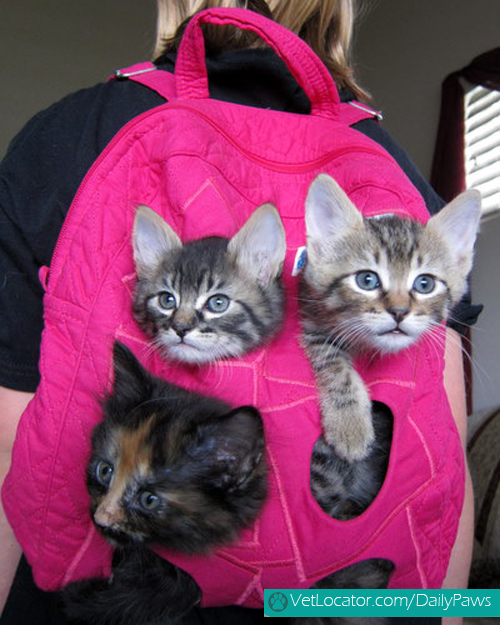

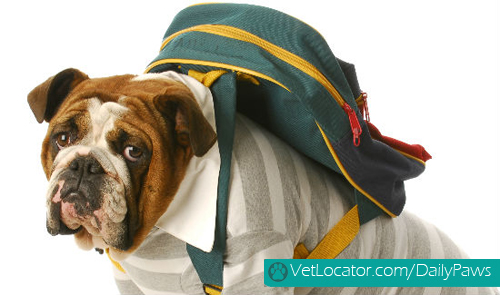
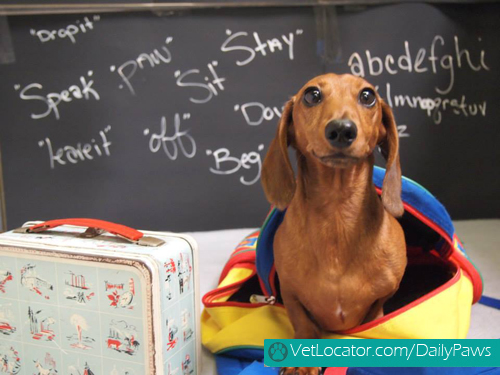

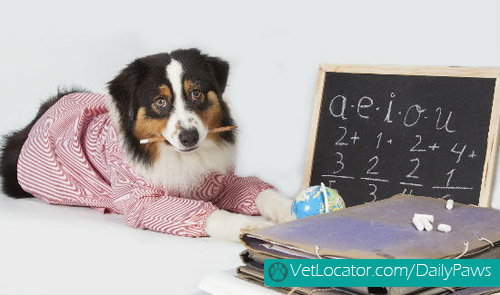
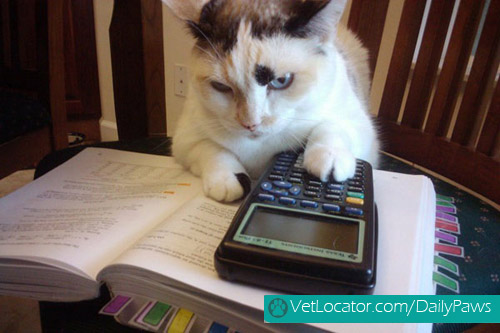
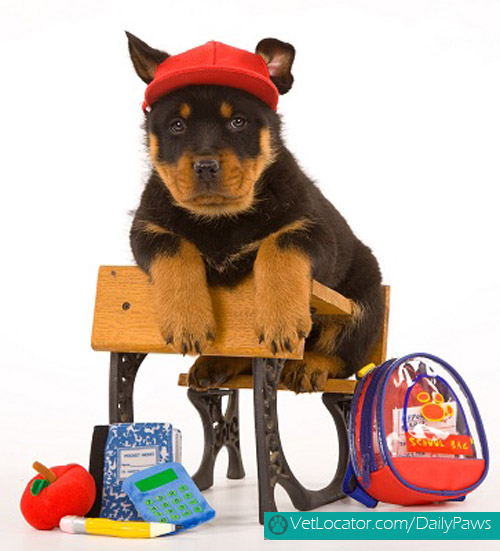
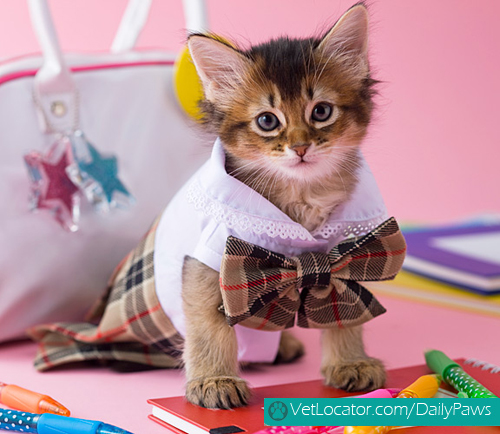
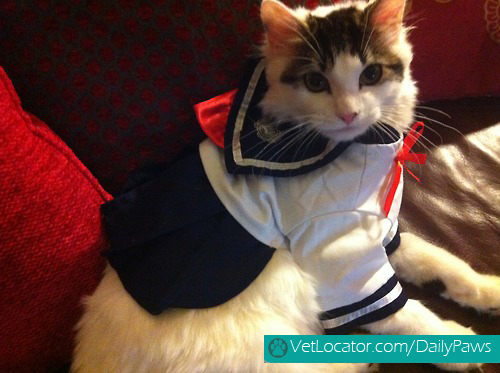

School is just around the corner for most of us, and that means getting ready for a big change in routine too. Are you ready for it? 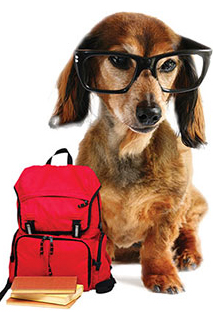
With all the excitement of the kids going back to school, many families may not think about what it means to the dog or cat.
Pets often get anxious when kids go back to school
You’re out gather supplies, getting new clothes, going to appointments and so on, and it’s easy to forget what might be happening with your pets during this same time. Many pets realize something is about to happen (pets are good that way, they try and anticipate what we are doing and how it will affect their daily routine). Like most humans, pets crave a routine they can count on and back to school routine changes can make them worried, anxious and depressed.
When that happens what you may notice are changes in your pet’s behaviour, see them acting sad, moping around and sleeping a lot more. Your dog begins chewing things, your cat is not using the litter box or you see other signs of acting up. Yes, back to school time can be very stressful for your pet.
Pets love routine because it makes them feel secure. They like knowing that certain things happen around the same time each day and they know what they are supposed to be doing when it happens. If your pets have spent the summer having kids around all day and suddenly they are gone most of the day and busy with homework at night, that can really hurt because it is a different routine and one that they’re not part of. Some pets just feel sad and confused and others feel real separation anxiety and may show it by misbehaving.
Kids and parents can help pets get through the blues by making them part of the back-to-school routine.
This is a family matter and a good opportunity for the kids to get an understanding of how changes can affect their pets. Let your kids know that their dog or cat is going to miss them when they’re gone all day and discuss what they can do to help them through through it.
Among the best ways for a pet to get over the loss of one routine is to immediately create another routine. If your pet knows that at 3:45 your youngsters will be home from school ready to play with him before they begin their homework, your pet has something totally new to look forward to. As you are working out your children’s school time routines, be sure to integrate time spent with your pets in there. Most pets like to have their family job and share time, so one of their jobs might be to sit or lay while your child reads to the pet. If you think of it, there can be many ways your pets can ‘help’ and be included in the new routine. And once they know what the routine is and where they fit in it, they will relax and continue to be the furry family member that adds so much to your lives.
And while you are out shopping for new back-to-school clothes, why not get something new for your pet? A new snazzy collar or leash to use when you walk the kids to the bus stop or for their ride when you take the kids to school.
It’s up to you and your kids to make your pets feel secure in ways they understand. And if your pet is still having issues with the kids being back in school, give your vet a call and discuss it with them. After all, that is what we help pet owners do every day, find the right pet professional to help pet owners have happy and healthy pets!
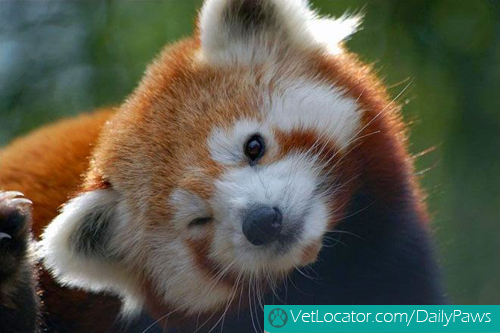
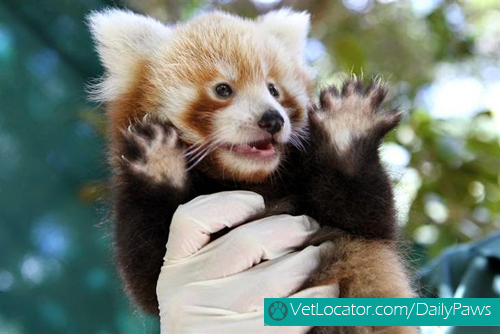
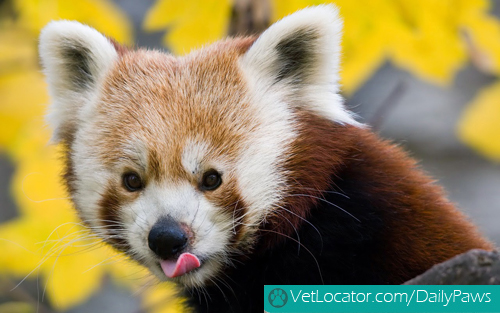
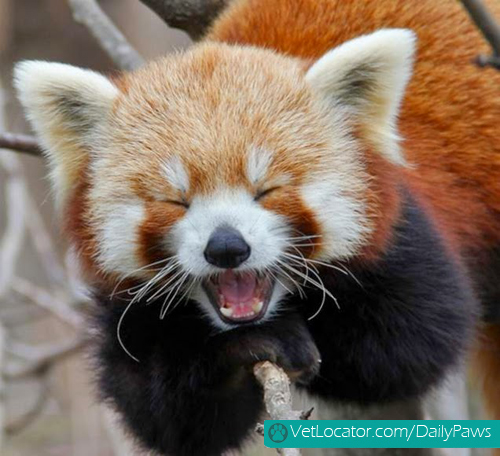
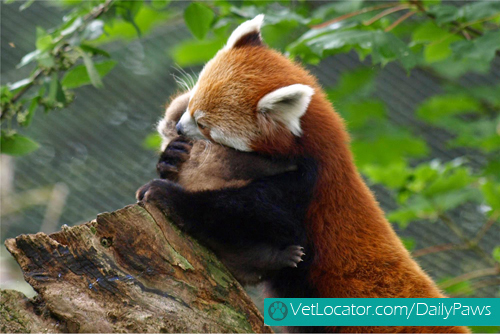
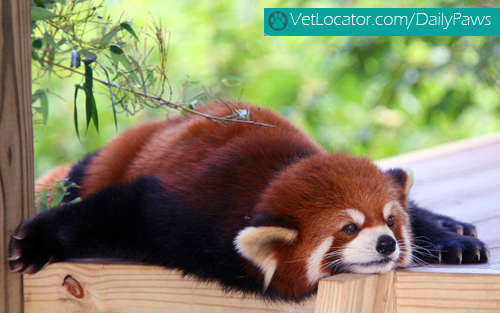
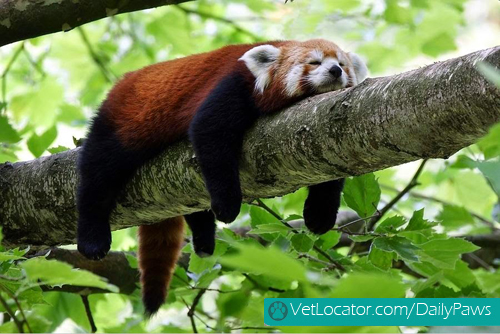
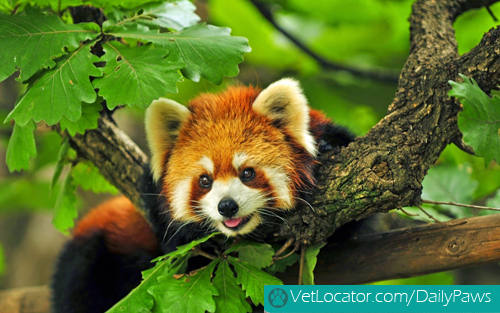
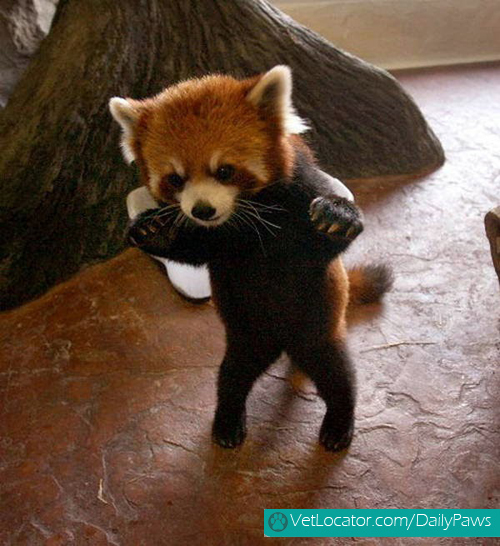
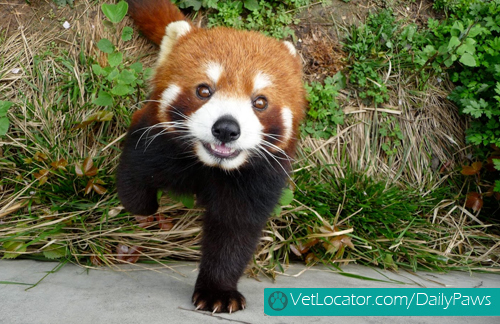
Red panda, a.k.a. Firefox a.k.a. lesser panda, is a cuddly animal with enormous, thick tail local to Asian forest. In spite of the fact that, these endangered creatures less famous than their relative the giant pandas, in any case they can make your day. Just take a look at these pictures of charming red pandas.

You’ve likely heard a lot of stories about how cherishing puppies could be yet you’ve presumably never heard anything like this previously. What Lilica does is amazingly exceptional and brought tears to my eyes. Lilica was relinquished as a junior puppy in São Carlos however found by Neile Vania Antonio. Together, they live in a junkyard with whatever remains of their assorted family that incorporates an alternate canine, a feline, a donkey, and a few chickens.
Lilica exists in a junkyard with an one more pooch, a feline, a donkey, and chickens.
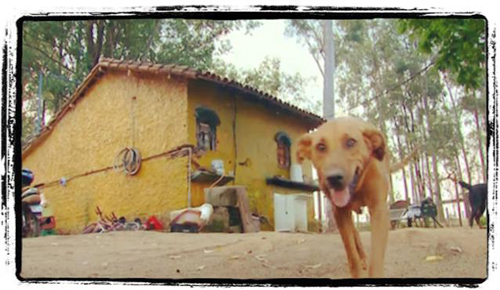
Consistently, Lilica does something that will leave you speechless. Consistently, Lilica ventures two miles along an occupied interstate to visit Lucia Helena de Souza, who deals with various stray creatures. You see, Lucia and Lilica have an uncommon course of action: Lucia gets ready nourishment in a pack for Lilica and reaches her at 9:30 pm. Lilica will consume a portion of the food before making the two-mile voyage over with whatever remains of the supper once again to her junkyard home to feed whatever remains of her gang.
Consistently, she voyages a few miles along an occupied expressway to get nourishment for her gang.
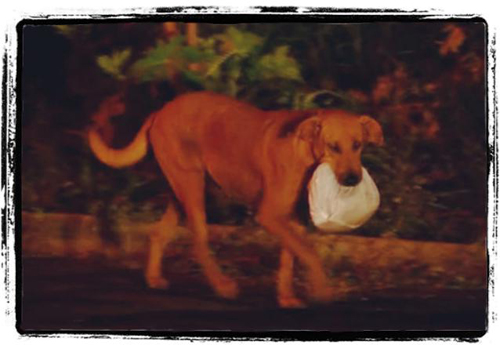
Lucia clarified, “I understood that she consumed and afterward gazed at what was clinched.” A neighbor then proposed that maybe Lilica continued gazing at the food in light of the fact that she needed to take whatever is left of it with her. “At that point we tied up the pack and offered it to Lilica. From that point on, that is the thing that how we did it.” This plan has been continuing in excess of three years! Lucia accepts that Lilica is an extremely extraordinary puppy. “Individuals don’t do that. Some individuals cover up what they have and don’t have any desire to impart to others. She didn’t. Lilica is an outstanding creature.”
The feature underneath is in Portuguese however it is subtitled in English.
Pro-Pet LLC Recalls a Limited Number of Dry Dog and Cat Foods Due to Possible Salmonella Contamination – No illnesses have been reported, this is a precautionary alert!
FOR IMMEDIATE RELEASE – February 5, 2014 – Pro-Pet LLC, St. Marys, Ohio, has initiated a voluntary recall of a limited number of Dry Dog and Cat Foods for possible Salmonella contamination. A single field test indicated products manufactured during a two day period, on a single production line may have the potential for Salmonella contamination. Pro-Pet LLC is voluntarily recalling the potentially impacted products made during this timeframe. There have been no reports of illness related to this product to date.
Salmonella can affect animals eating the products and there is risk to humans from handling contaminated pet products, especially if they have not thoroughly washed their hands after having contact with the products or any surfaces exposed to these products.
Healthy people infected with Salmonella should monitor themselves for some or all of the following symptoms: nausea, vomiting, diarrhea or bloody diarrhea, abdominal cramping and fever. Rarely, Salmonella can result in more serious ailments, including arterial infections, endocarditis, arthritis, muscle pain, eye irritation, and urinary tract symptoms. Consumers exhibiting these signs after having contact with this product should contact their healthcare providers.
Pets with Salmonella infections may be lethargic and have diarrhea or bloody diarrhea, fever, and vomiting. Some pets will have only decreased appetite, fever and abdominal pain. Infected but otherwise healthy pets can be carriers and infect other animals or humans. If your pet has consumed the recalled product and has these symptoms, please contact your veterinarian.
| Product | Best By | Lot Code | UPC Number |
|---|---|---|---|
| 40 lb Hubbard Life Happy Hound Dog Food | 05 06 14 | 096 13 SM L2 2A | 1219033878 |
| 40 lb Hubbard Life Happy Hound Dog Food | 05 06 14 | 096 13 SM L2 1A | 1219033878 |
| 18 lb Hubbard Life Cat Stars Cat Food | 05 06 14 | 096 13 SM L2 1A | 1219033873 |
| 40 lb Hubbard Life Maintenance Dog Food | 05 06 14 | 096 13 SM L2 2A | 1219033875 |
| 15 lb Joy Combo Cat Food | 05 06 14 | 096 13 SM L2 1A | 7065407721 |
| 40 lb Joy Combo Cat Food | 05 06 14 | 096 13 SM L2 1A | 7065407713 |
| 40 lb Joy Combo Cat Food | 05 06 14 | 096 13 SM L2 2A | 7065407713 |
| 20 lb QC Plus Adult Dog Food | 05 07 14 | 097 13 SM L2 2A | 2351780103 |
| 40 lb QC Plus Adult Dog Food | 05 07 14 | 097 13 SM L2 2A | 2351780104 |
| 40 lb QC Plus Adult Dog Food | 05 07 14 | 097 13 SM L2 1A | 2351780104 |
These products were distributed through select retailers, distributors and on-line consumer purchases in Arizona, California, Colorado, Connecticut, Florida, Georgia, Iowa, Illinois, Indiana, Kentucky, Massachusetts, Michigan, Minnesota, Montana, North Carolina, North Dakota, Nebraska, New Jersey, New Mexico, New York, Ohio, Pennsylvania, South Dakota, Tennessee, Texas, Virginia, Washington, Wisconsin and West Virginia
No other products/lot numbers are affected by this recall.
Customers should immediately discontinue use of any impacted product and contact Pro-Pet at 1-888-765-4190 for disposition.
For more information on the recall, customers can contact the customer service line for Pro-Pet at 1-888-765-4190. Customer service representatives will be available Monday through Friday 8 am to 5 pm CT.
For more information and recalled product photos, check FDA website.
Natural remedies for pets can increase your pet’s vitality, energy, immunity and ability to heal. This is important if your dog or cat is healthy, but even more essential if your pet is ill or has a serious medical condition such cancer. In this article, you’ll learn about four safe, effective holistic medicines that can help your pet stay healthy or get back on the road to health.
Pet Natural Remedies
As a researcher who makes pet owners aware of the natural treatments available, I’ve found four important herbs that promote immunity, cleanse the liver and the lymph and restore (or maintain) high energy levels overall. These herbs and a brief description of their health benefits appear below.
Withania Somnifera – elevates energy, promote vitality and increases hemoglobin levels which helps the body heal itself.
Viscum Album – builds strength and immunity. Lowers blood pressure if it is too high and increases it, if too low.
Sylibum Marianus – promotes healthy liver function by detoxifying this important organ. Contains helpful flavenoids.
Echinacea – known for building the immune system. Cleans out the lymph system (particularly important if your pet has an autoimmune disorder or cancer.)
Rather than giving these herbs separately, it is better to find a company that has made them into a tonic-a formulation with standardized ingredients that insures that each dose contains the proper amounts of ingredients in the right percentages and relation to each other, so they will work synergistically to create health and support strong immunity. The best natural remedies for pets contain a combination of the four important ingredients above.
Since all pet natural remedies are not created equal, look look for a company that offers an iron-clad money-back guarantee. This a strong indication that the company has done their due diligence and stands behind their product because they know it works. If you don’t have the time to research different remedies, take the advice of someone who researches the area of pet health and wellness for a living.
In addition to giving daily natural remedies for pets, make sure your furry friend gets plenty of attention, healthy food (without additives or preservatives) and lots of water. These simple steps are ways to show your animal how much you care while doing your best to help your pet enjoy a long and happy life.
Laura Ramirez is a dedicated researcher of products that help restore health and vitality to pets and people and keep their immune system strong for prevention. To learn more about her findings, go to http://www.pet-health-supplements.com.
Article Source:
http://EzineArticles.com/?expert=Laura_Ramirez
Related Pet Health And Wellness Articles
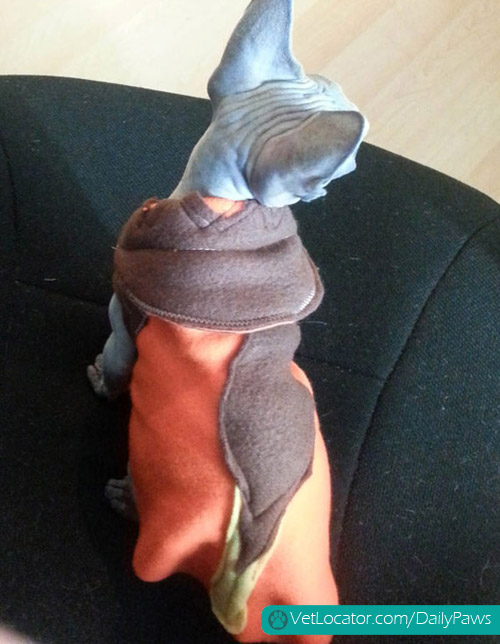
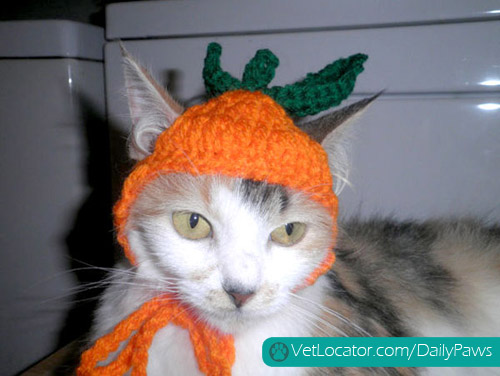
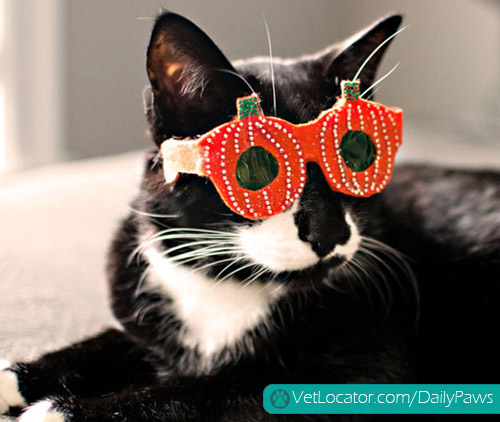
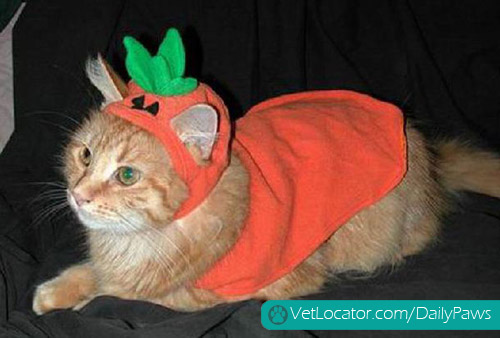
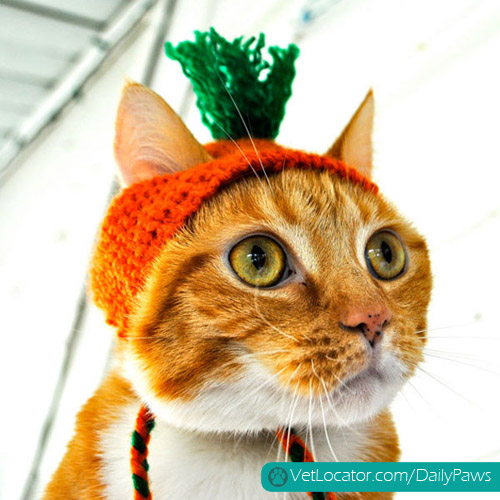
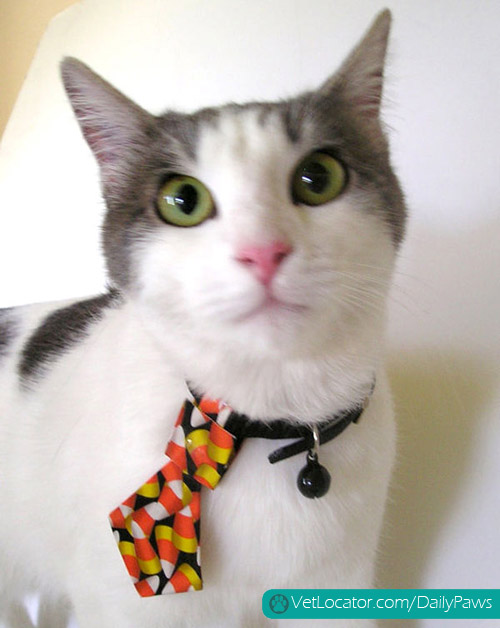
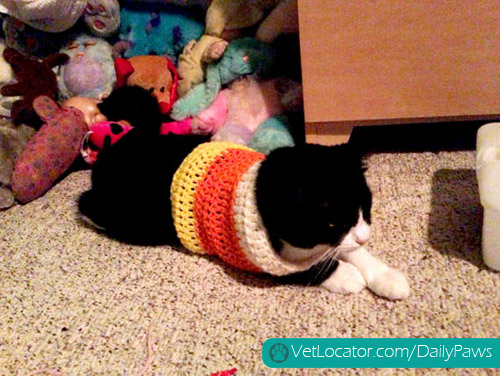
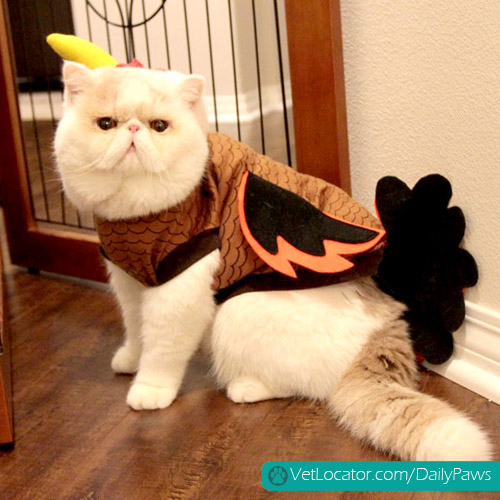
Anyone who has ever shared their life with a pet understands how special their unconditional love is. Pets give us so many reasons to be thankful for them that it takes no real effort for any pet owner I speak to to list at least a dozen reasons they are thankful for their pets. 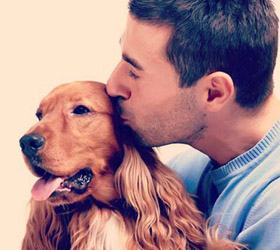
For me, the constancy of love and devotion that I receive day in and day out from our office cats always brings a smile to my face. I count on the morning routine just as much as they do when I arrive to feed them, and if I am traveling or if someone else takes over my morning feeding duties, all of us miss “the way things are supposed to be”. Have you noticed that the daily routine is part of what creates the relationship with your pets? It is very important that you remember to get it right, and for that I am thankful, since my hectic life is often far from routine.
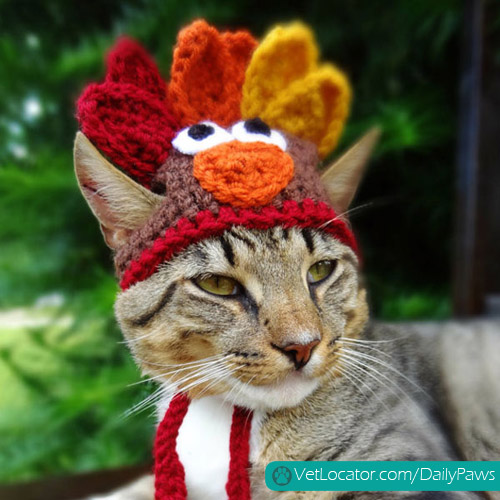
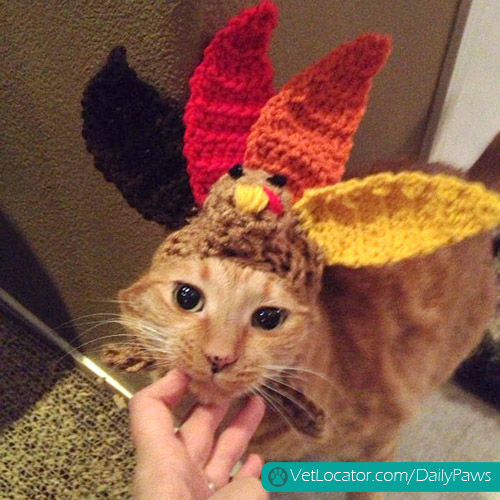
I am thankful as well that I am able to notice and realize that our pets assumed their own “Take care of my owner” attitude when they joined us, and I acknowledge them each time they wear their hats in doing this. Getting us up out of our desk chairs is one way they do it – (sitting in front of computers too long without a break is a notorious health wrecker). As you can imagine, getting us up can be challenging for a cat, but smart kitties that they are, they have a list of tactics that they utilize to achieve their results – and my favorite is ‘mad dash kitty’ where our tuxedo races madly through the office until we get up to chase her. Honestly I am healthier as a result of mad dashing after the cat.
As you can see, I have a list of more than a dozen reasons to be thankful, and if I took time to think of them, the list would run into the hundreds.
Which begs my question to you…what are yours?
Have a wonderful Thanksgiving holiday and keep front of mind during this special day all of those things you are thankful for.
Adam
Halloween is almost here, and while it can be fun for all, there are a few things that should be keep in mind if our furry friends are involved. To 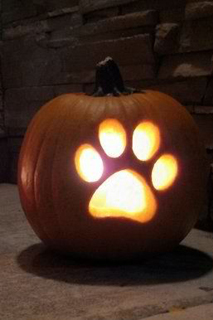 make sure your pet stays safe on October 31st, remember these pet safety tips. Happy Halloween!
1. Make sure you have your pet either safely tucked away in a kennel or spare room with music or TV playing in the background, so they are not too disturbed by trick or treaters. A dog on the loose, barking and getting agitated is no fun for the dog, the trick or treaters or for you. Sometimes your dog or cat can escape when you open the door to give candy, so secure them safely and enjoy the night.
2. Keep an eye on candy and party food around your pet. Chocolate can be toxic to dogs and so can the sweetener xylitol. Raisins and grapes also pose serious health hazards and are common to find in treats kids bring home. Candy and food wrappers smell good and can present a choking hazard. And anything I didn’t mention when consumed by a pet can make them sick. Keep pets away from this stuff.
3. If you are having a party, keep an eye on alcoholic beverages. We’ve all seen or heard stories of different animals who like to drink. How sad that their owners allow it, not to mention that sometimes this can lead to a pet’s death.
4. Decorations, candles, cords, dangerous hazards. Halloween, like Christmas, has lots of opportunities for problems to pets and humans. Keep your house and yard kid and pet safe when you decorate.
5. Keep your emergency numbers at hand for your pets in case you do have a problem that night.
Have a happy and safe Halloween from all of us at VetLocator.com Daily Paws!