Daily Paws

Pet news, tips, entertainment and opinions from VetLocator.com

Archive for the ‘VetLocator news’ Category

Its May, and it is starting to get hot!

Monday, April 29th, 2013

daily-paws-may-dayHere in Florida that also means the start of flea season (and some say flea season never ends here…) So with the warming weather and spring fully in the air, your pets may be feeling the spring fever too.

Here are some ‘plan ahead’ tips for you when you are overcome with the need to be outdoors with you pets so you both remain comfy, cool and safe:

Plan Ahead Tip #1 – Dress appropriately for the weather and make sure you are considering your pet too. For us this may mean layers we can remove if we get too warm, and add when things cool. It always includes a hat and sunscreen.

Since your pet won’t usually be able to shed or add a layer, help your pet’s natural process for cooling down by giving them a little help. Pets have their own way to remove layers, usually by shedding, panting and sweating. It is the perfect time to cut and trim their coats if they need it. Use your own judgment on whether a cut is right for them. In Florida our triple coated dog gets a cut before she is miserable and overheated and that earns us extra kisses from our cooled down pooch.

Plan Ahead Tip #2 – Have enough water, doggy bags (because we’re assuming you won’t be traveling with your cats), plans for shade, and food with you. We have a very cool fanny pack that is roomy enough for our snacks and our dog treats and waste bags, plus 2 water bottle holders, one for each of us.

Plan Ahead Tip #3 – Speaking of snacks; bring the right kind with you. Depending on how your dog shares, and how long they take to eat a treat, choose wisely. Nothing worse that having to wait while your pup savors the last bites of a ten minute chew – well, there is something and that’s if your dog is protective and is antisocial while devouring his 10 minute chew. Healthy, nutritious and quick to eat for both of you is a good plan ahead tip.

Plan Ahead Tip #4– Bring clean up supplies. Yes, we live in Florida, land of endless beaches, lots of water, lots of …. Well everything!
This means our dog gets plenty filthy when we go out, either from sand or dirt or weeds or water or, or… And we’re not special here. Anyplace those four feet can touch down is a place where there is a potential for a mess. Even if your pup is carried everywhere, in a backpack, carrier or arms, things can get messy.

Towels, plastic bags and baby wipes are handy to have and will get used so bring them along.

Plan Ahead Tip #5 – If you are going to be out for an extended time, something that’s nice is a cooling mat that allows air to circulate all around your pet. Cooling pet beds help cooling your pet down, relieving sores and pains for senior pets and injured dogs or simply giving them a good sleep.

Plan Ahead Tip #6 – Know what to do if your pet gets overheated. The first thing is to know what the signs of heat exhaustion/heat stroke in a pet are. If you observe a swollen tongue, heavy panting, glazed eyes and rapid pulse or vomiting. Or if you notice your pet’s tongue looks purple or he is walking or staggering, he might be dealing with heat exhaustion. If you’re not sure, be safe and do this: place rubbing alcohol only on your pet’s paws and keep him in a cool (but not cold bathtub). Splash with water especially on the belly, or you can apply ice packs only on head, neck and chest. Then call your vet immediately.

Oh, I did mention flea season, didn’t I? Yes…this is your last a plan ahead tip…Plan Ahead Tip #7 – Before going out make sure your dog or cat has some flea protection – whichever you feel is best for your pet, and when they come in CHECK THEM FOR FLEAS. Even with protection fleas will often jump on looking for a meal before they jump off. If they jump off in your house…not something you want, is it?

They say that planning ahead is a good thing. I agree, don’t you?

Have a wonderful spring!

Linda – Daily Paws

Share

Keeping your Pet Safe this Halloween

Wednesday, October 31st, 2012

The scary night is almost here!!!!!  Make it a fun and safe evening by keeping these safety tips in mind:

1.  Make sure you have your pet either safely tucked away in a kennel or spare room with music or TV playing in the background, so they are not too disturbed by trick or treaters.  A dog on the loose, barking and getting agitated is no fun for the dog, the trick or treaters or for you.  Sometimes your dog or cat can escape when you open the door to give candy, so secure them safely and enjoy the night.

2. Keep an eye on candy and party food around your pet. Chocolate can be toxic to dogs and so can the sweetener xylitol. Rasins and grapes also pose serious health hazards and are common to find in treats kids bring home.  Candy and food wrappers smell good and can present a choking hazard. And anything I didn’t mention when consumed by a pet can make them sick.  Keep pets away from this stuff.

3.  If you are having a party, keep an eye on alcoholic beverages.  We’ve all seen or heard stories of different animals who like to drink.  How sad that their owners allow it, not to mention that sometimes this can lead to a pet’s death.

4.  Decorations, candles, cords, dangerous hazards.  Halloween, like Christmas, has lots of opportunities for problems to pets and humans.  Keep your house and yard kid and pet safe when you decorate.

5. Keep your emergency numbers at hand for your pets in case you do have a problem that night.

Have a happy and safe Halloween from all of us at VetLocator.com Daily Paws!!

Share

To Costume or Not to Costume

Tuesday, October 23rd, 2012

It’s that time of year again, pets are worried and their humans are looking forward to it.  Yes it is Halloween.

And you may be asking yourself……TO COSTUME OR NOT TO COSTUME….That is the question.  And it’s a good question to ask.

Should you dress your pet up in a costume this year or not?

Facts: According to the National Retail Federation, 15 percent of Americans plan to deck out their dogs and will spend nearly $370 million on costumes for pets this year (that’s $40 million more than 2011).

Fact:  Some of the cutest pet photos are of dogs dressed up in amazing costumes.

Fact:  The average pet owner buying a costume for their pet is expected to spend $79.82 this year.

Fact:  People love seeing pets in costumes.

Fact:  Many of pet owners like to dress their pets up for Halloween.

However, like kids, there are some things to keep in mind before you decide to take the plunge and costume your pet.

The first thing is whether your pet enjoys, or will even tolerate being dressed up.  Some pets, dogs especially, love to be dressed up.  I knew one dog that would pout unless her owner dressed her up with one of her favorite scarves before they went anywhere.  Yes, she was a girl dog of course :) .

Some pets HATE it and some are traumatized by the whole ordeal.  If your pet is one that just gets freaked or lies there in apathy, please don’t put them through having to wear a costume all day.  Snap a few photos to share with friends if you must, then take the darn thing off them.

But for the pets who enjoy all the fuss and excitement that goes with a costume, here are some suggestions in choosing one:

1.  Make sure the costume is easy to put on and is relatively comfortable.  Tight costumes that have to be pulled over your dog’s head will often get them anxious.

2.  Avoid costumes that are too tight and restrictive.  Make sure your pet can breathe OK, and the costume is not too hot for them.  Heat exhaustion can be a real problem.

3.  Avoid costumes with small or dangling accessories that your pet could chew on and choke.

4.  Make sure the costume doesn’t constrict your pet’s movement.

5.  Pets need to go to the bathroom.  Have a plan for how this will be accomplished without stressing your pet.

6.  Make sure the costume doesn’t interfere with your pet’s vision and hearing.  Costumes with goggles, ear muffs and masks can pose problems.

7.  For best results, keep the costume simple.  Better yet, why not go as a themed couple with you dressing up as a character and your pet being dressed in the same theme?

8.  Keep your costumed one under constant observation.  Safely dressed up or not, there are just too many things that can quickly go wrong when your pet is in costume, and, like a little child, when you see they have had enough excitement for the day, get them out of their costume, take them home and put them to bed.

Here are the 5 most popular Pet Halloween Costumes this season according to Wayfair, pet costume manufacturer:

Our advice?  First choose whether or not TO COSTUME OR NOT TO COSTUME based on the above.  If you choose to costume, have a safe and fun Halloween!

Share

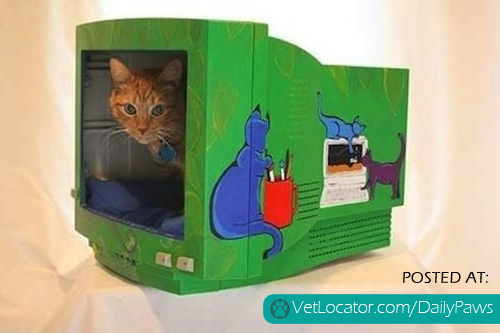
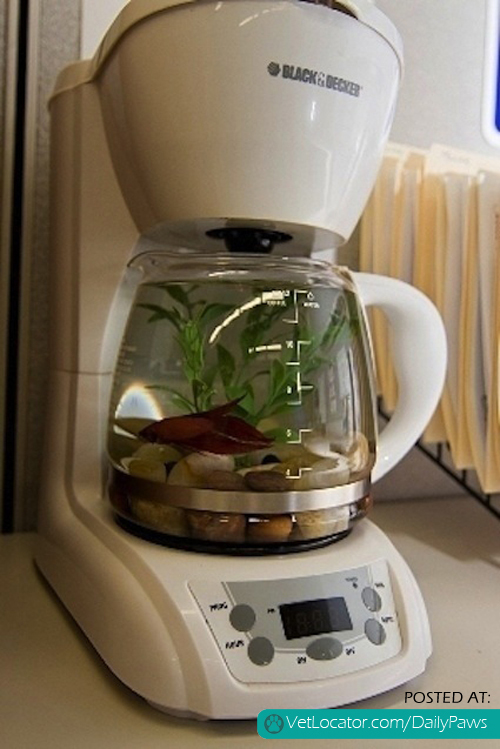
Cool Pet Beds Made From Old Electronics

Friday, September 14th, 2012

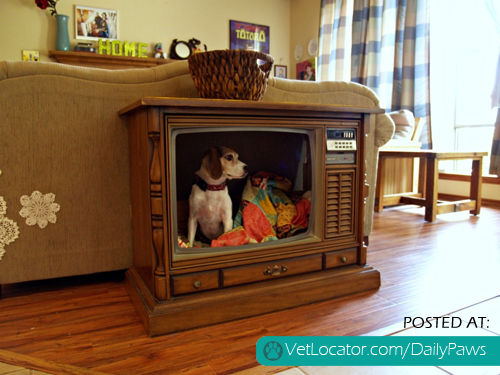
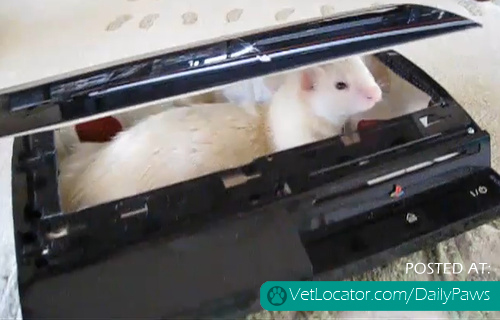
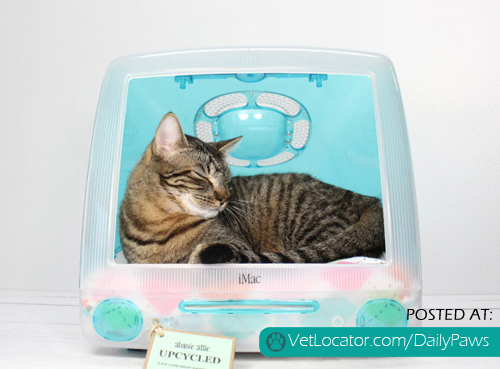
Check out these awesome pet beds made from old electronics. Very cool!

I like this
I dislike this
1 likes, 0 dislikes


Share

Pet Health Care Insurance, What You Need To Know

Tuesday, August 21st, 2012

by asterix611

How many times have you heard a pet owner wish he had bought pet health insurance?

Statistics show that people are willing to foot the growing medical bills for their beloved pets, making the need for pet health insurance a real concern. Advances in pet health care can leave owners with big veterinary bills. Pet health care insurance is now affordable and available for dogs, cats and exotics.

If you would not think of being without insurance for yourself and your family, that should include your pet companion as well. Pet insurance is not as expensive as human insurance and might come in handy.

Pet health care insurance is similar to human health insurance. Like all insurance, you hope you never use it. Pet health care insurance will pay or reimburse for veterinary services that are covered under the plan. Medical treatments and technologies used for humans are now being used for pets.

If your pet needs an emergency surgery, it would be nice to know that cost is not a factor, and you won’t have to pay for everything on your own. The insurance is just sensible.

Purchase insurance coverage ideally when your pet is still young before pre-existing conditions develop. You can enroll as young as eight weeks. Some plans only allow enrollment up to age 10 for cats and age 8 for dogs (age 6 for some breeds). Once enrolled, your pet may stay in the plan for the rest of its life.

Because of their natural adventurousness and high activity level, very young pets are famous for getting hurt and needing emergency care.

There are many pet insurance companies to choose from, and many different plans available. Read the fine print. Some companies have veterinarians that belong to their network. Under those particular policies, you pay a co-payment up front and the insurance company pays for the covered services. The downside is you have to find a veterinarian that is in the pet health care insurance “network.” Each policy is different and there is no one plan that fits everyone’s needs.

Services covered under many policies include spay surgery, neuter surgery, annual vaccinations, flea preventative, annual heartworm preventative, heartworm test, annual dental cleanings, accidents, illnesses, cancer, x-rays, and surgeries. In many cases, pet health care insurance will cover even more in maintaining the wellness of your loved pet. Your coverage may also include prescription foods, boarding, euthanasia, accidental death, recovery of lost pets, and micro-chip identification. Pet health insurance can prove to be invaluable.

Additional facts to consider when enrolling.

Are pre-existing conditions covered, and what constitutes a pre-existing condition? If a pre-existing condition is covered, what are the deductibles? Does the pet health insurance policy you are interested in cover prescription costs? Will my premium go up over time, as I file claims, or my pet gets older? Does the plan cover chronic or recurring conditions? What are the financial limits of coverage? How are they applied? Do you have more than one pet that could benefit from insurance coverage and are there multi-pet discounts available? Does your particular policy require monthly or annual payments? Talk to your veterinarian about your pet’s health and question the insurance companies about the limits of the pet health insurance coverage before purchasing a particular plan.

The right insurance plan requires some homework. We’ve brought you the best.

Share

What do you do when you don’t have enough money for a vet?

Monday, August 20th, 2012

VetLocator.com what to do if you can't affort vet careFirst of all, isn’t that the saddest sentence you’ve read today?

It is for me.

Think about it, in VetLocator.com’s directory of veterinarians and pet health specialists there are enough professionals to take care of every animal that lives in the US. More than enough.

And that’s what being a veterinarian is all about. Helping pets.

It is what they’ve spent years and tremendous money working on.

But there has always been a divide between professionals who can provide care for pets and pet owners who can afford the care their pets need.

Some pet owners don’t have a problem with the cost of care. There are many owners who fall into the financially secure pet owners category and their pets are lucky indeed, but a much larger group is the group of pet owners who can afford most of the well-pet care needed (regular checkups, vaccines, spay and neutering and some emergencies) but are not prepared for a serious medical problem, an emergency or an ongoing condition that requires specialized medication and treatment.  These pet owners are concerned about costs but have resources to provide for most care and emergencies that arise.

And then there are those pet owners that hope for the best but have no funds or resources for an emergency because they are living on a low fixed income, don’t make enough money or have some other financial situation that has left them without resources to cope with pet health care.

We receive a lot of emails from the last group.

I just read one that said “Please help us. Our dog was just hit by a car but the vet would not treat him because we don’t have any money. What can we do???”

So sad!!!!!!! And so frustrating!!!!!!

An emergency is a bad time to have to think about such a problem. It’s better to think about it before there is an emergency, because when you confront it before hand you will have some idea of what to do (besides panic when you realize you can’t afford to help your pet).

So let’s look at how to cope with an expensive pet health emergency. There’s a lot of good advice on what to do, but it essentially boils down to three things:
1. Set aside a small amount each month for such emergencies (very few people take this advice, but it is good advice)
2. Enroll in a pet program that provides discounted pet health services (limited use in an emergency because you must use the providers that accept the program)
3. Pay for pet insurance. Of all three, this is the best advice FOR AN EMERGENCY, that’s what we are talking about in this article. Depending on the type of insurance, you can get coverage that only covers emergencies. Here are some policies compared so you can see.
4. The other option mentioned is financing pet care. Companies like Care Credit provide financing for procedures that your pet might need. This is a resource, but if you are struggling financially or don’t have qualifying credit, it is not an option to count on in an emergency.

Now we come to this scene (the one we get the most email about). No reserve funds, no credit, no pet insurance, you have an emergency or your pet has a condition that requires expense that you cannot afford. Here are some options and these are the options we suggest for those who find themselves in this situation:

***It is important to note that there are no guarantees you will receive funds or help. Many of these groups are overwhelmed with requests and most are unable to fill the need of all the requests received and some of the resources we used to recommend have closed because the requests so far exceeded their capabilities, they ran out of money and could not continue. And, if you are reading this and you have been helped, it is also very important that you give back to those groups you received help from. That makes sense, right? In this way you help ensure should you need it in the future, it will be there for you and you will be doing something good for needy pets and those who unselfishly donate time and money to help.

Please visit each site for specifics on how their assistance works.  At the time this list was created, the groups below were still making assistance available to those in need.  Some of the groups that used to provide assistance have disappeared or have no funds because of demand, so make sure you check before applying.

  • Angels 4 Animals  www.angels4animals.orgAngels4Animals is a non-profit organization and a program of Inner Voice Community Services which has a mission to serve as the guardian angel of animals whose caretakers find themselves in difficult financial situations. Their work is accomplished in conjunction with veterinary clinics across the country. Their services range from financial aid to complete treatment to those pets and pet owners in need.
  • Feline Veterinary Emergency Assistance (FVEAP) www.fveap.orgThe Feline Veterinary Emergency Assistance Program is a nonprofit 501(c)3 organization that provides financial assistance to cat and kitten guardians who are unable to afford veterinary services to save their companions when life-threatening illness or injury strikes.Seniors, people with disabilities, people who have lost their job, Good Samaritans who rescue an injured or ill cat or kitten – any of these folks may need emergency financial assistance.They have a specialized fund for cats with Vaccine Associated Sarcoma (VAS) (also known as Injection Site Sarcoma). VAS is a group of cancers caused by vaccinations.They do not provide funds for routine exams, vaccinations, Insulin, or Spay/Neuter.
  • IMOM  www.imom.org *accepting applications for emergencies onlyMission Statement: Helping people help pets. To better the lives of sick, injured and abused companion animals. We are dedicated to insure that no companion animal has to be euthanized simply because their caretaker is financially challenged. (Note: IMOM has a special fund for diabetic cats)
  • Shakespeare Animal Fund  www.shakespeareanimalfund.orgAnyone can apply for funds, but SAF offers assistance primarily to those on that are considered low income. It is always a one-time grant and they only grant for emergencies, not routine care.  Please see their site for specifics.
  • The Pet Fund  www.thepetfund.com*only available for NON-EMERGENCIESThe Pet Fund is a registered 501(c)3 nonprofit association that provides financial assistance to owners of domestic animals who need urgent veterinary care. Often animals are put down or suffer needlessly because their owners cannot afford expensive surgery or emergency vet visits. Companion animal owners must often make the difficult decision to put an animal down or neglect urgent medical needs because of the costs involved. The purpose of the Pet Fund is to work towards a future where decisions about companion animal medical care need never be made on the basis of cost.This fund is only available for non-emergency situations and there is a long waiting list, so it would not be for anything immediate.  See their site for specifics.
  • RedRoverwww.uan.orgThe RedRover Relief program provides funding to Good Samaritans, animal rescuers and pet owners to help them care for animals in life-threatening situations. Learn more about our RedRover Relief grants and find out the eligibility requirements on their website under RedRover Relief.
  • Brown Dog Foundation www.browndogfoundation.orgThe Brown Dog Foundation is an organization dedicated to helping families who find themselves in a temporary financial crisis at the same time their pet requires life-saving treatment or life-sustaining medications.  They are designed as a one-time benefit.  They mostly provide grants for pets in Tennessee (where they are located) but may consider cases outside the state.  See their site for qualifications.
  • The Mosby Foundation  www.themosbyfoundation.orgThe Mosby Foundation is organized exclusively for charitable purposes, to assist in the care of critically sick, injured, abused and neglected dogs through financial support and public education. Their priority for accepting an application for funding will continue to be a critical situation confirmed by a licensed veterinarian either by fax or phone.
  • Here’s a link to a document titled “What you can do if you can’t afford pet care” from the Human Society of the US http://www.apsfh.org/documents/WhatYouCanDoIfYouAreHavingTroubleAffordingVeterinaryCare.pdf
I like this
I dislike this
3 likes, 0 dislikes


Share

Pet’s & Technology…it’s over the top! [humor]

Wednesday, August 15th, 2012

Yesterday while perusing news alerts for pets and vets, I came across a press release about a company that has just launched a new product. Headphones for cats. And these headphones for cats are soooo good, they will set you back $1000.

A thousand dollars!!!

If you are the teeniest bit interested, here’s a sales infomercial you have to see..

“We had to change the housing to accommodate the unique shape of cat ears and to reduce output for sensitivity,” inventor Combs says. “They also have a mic and remote, but I don’t envision many cats using that functionality.”

(And remember, they only have 10 sets so get yours today!)

Technology for pets, like technology for humans seems to be accelerating faster than dog years.

Who would have dreamed 5 years ago that stem cell treatment for pets would become a common occurrence with a high success in reversing limb and joint ailments in dogs and horses?

Medical technology I can understand. Headphones for cats…well, OK. I don’t really see a need but if you want to spend the money on your cat, OK.

Text From Dog

However, this next one is over the top. It’s about a texting dog and he has a new book coming out called “Text From Dog”

Now that’s ridiculous. A dog who texts? I have problems texting and a DOG is so good they are making a book out of his texts?????

Here’s a description and some sample text images (and, by the way these are fictitious text messages – I’m relieved to say – that are very funny. I’ve included a few below)

Tumblr blog Text From Dog, which publishes fictitious SMS conversations between a dog and its owner, is the latest web entity to land a book deal.

U.K. publisher Headline Publishing announced Monday it would release the book Oct. 25.

The blog launched in April with a brief description: “My dog sends me texts. I post them here. Yeah, it’s weird.”


Share

Pet Grooming is good for your health (and your pet’s health too)

Friday, July 27th, 2012

 When you look at a dirty pet, what do you see?

Dirt, germs, bugs, stinkiness, things that can make you sick.

Feeling queasy?  Me too.

While your pets do not normally affect your health in a bad way (unless, of course you have a pet allergy), there is a chance that a dirty pet can introduce something unpleasant into your household that you’d rather not meet.

So having a cleaned up pet, aka pet grooming, is good for your health.  See how that is?

And it is also good for your pet’s health too!

Here is a recent article by Dr. Dave Altman of  Animal Hospital of Onslow County in Florida:

“Pet owners who view grooming merely as a way of making their animals look and smell nice may not understand the veterinary necessity of such procedures. “Pet grooming is more than just a vanity measure — it’s an essential part of preventative care,” says Dr. Altman. “Grooming at a veterinary facility can prove invaluable for early detection and prevention of many health problems.”

A typical grooming session at the animal clinic may include bathing, trimming of hair and nails, dental cleanings and anal gland expression, accompanied by a careful evaluation of the pet’s skin, eyes and ears. “Bathing and hair care procedures allow us to learn a lot about the current state of a pet’s health,” explains the vet. “We examine the skin for any signs of trouble such as hot spots, lumps or obvious infections. We can also determine whether the pet suffers from flea, tick or mite infestations.” The vet adds that any such problems can be promptly treated with hypo-allergenic medicated shampoos or other products. “The mere act of bathing can do wonders for the skin by removing pests and cleansing the skin surfaces of oils that serve as bacteria.”

Nail trimming also plays an important role in pet care, according to Dr. Altman. “Most pet owners trim their animals’ nails to preserve furniture and flooring, but this kind of grooming can also preserve a pet’s health,” he says. “Indoor pets in particular do not wear their nails down the way a wild animal would. So the nails get longer and longer until they eventually catch on something and tear away from the paw. This is not only painful, but it also gives bacteria a chance to enter, especially if the pet licks the wound.” Regular nail trimming, the doctor explains, can help prevent this type of injury. “You can trim your pet’s nails yourself, but a veterinarian or professional groomer can do the job more efficiently — and without accidentally causing harm.” The veterinarian adds that anal gland expression is another task many pet owners prefer to leave to the pet grooming professional.

Some Jacksonville pet owners might not associate dental cleanings with grooming, but Dr. Altman notes that the inside of your pet’s mouth benefits from cleanliness just as his skin and fur do. “Proper dental care helps prevent tooth decay and dangerous gum infections. All of these procedures work together to keep your pet healthier and more comfortable,” says Dr. Altman.”

Grooming your dog or cat at home (between trips to the veterinary groomer) is a good way to do your own observations of how your pet is doing, and also to increase the bond you share with them.

Many pets see getting brushed as an petting, other form source of petting.  It feels GOOD!

As you brush, pay attention to any tender areas, bumps, cuts or other things about their skin or body that might be concerning.  Of course, keep an eye open for fleas and ticks, and get those critters removed right away when you spot time.

Brush or comb the whole body, including the ears, collar area and belly.  If you can, brush daily.  If not once a week or more is good.

Check ears and wipe clean if they are dirty.

Check teeth.  Some people brush their pet’s teeth and you can find lots of products at any large pet store as well as purchasing them from your veterinarian or groomer so that you can do this at home between professional teeth cleaning visits.

Your veterinarian or groomer will also have tips for grooming your particular pets that with help you between visits.

As you do these cleaning and bonding activities, keep a notepad nearby to remind you of any questions you want to ask next time you take your pet in for a check- up.  And it goes without saying, if you find something that concerns you, get your pet in to see the vet right away.

Looks good, smells good, stays healthier and loves you even more….what’s not to like about grooming????

Plus, pet grooming is good for YOUR health too!!

To find a local or specialty veterinarian who offers grooming services, just check our directory at http://www.vetlocator.com

Share

Petiquette & pet safety tips for the 4th of July

Tuesday, July 3rd, 2012

Today is going to be a great evening of bar-b-ques, fireworks and get-togethers.

We hope you and your friends and family have a wonderful time, but want to remind you to make sure your pets are safely tucked away before all the noise begins. 

In the event that you and your pets are able to accept holiday invites together too we thought we’d share some petiquette tips you might find handy.

1.  The very first thing you’ll want to do is to make sure it’s ok with your host that you bring your pet with you.
2.  Next make sure he/she has a collar with an ID and that the ID has correct information on it.  These days it’s an excellent idea to use a cell number rather than a home phone number since your cell phone is usually with you and you can be reached quickly in an emergency.
3.  Put your vet’s phone number and an emergency vet hospital number into your cell phone to have it handy in the event you need it.
4.  Try to find out who’ll be at the party in case you need to make plan changes (for example people with babies, small kids or other pets can change things, including whether you should bring your pet with you).
5.  Bring along pet essentials like food and water bowls, a leash, handy wipes and cleaning stuff and pet waste bags.
6.  I like to bring some special treats with me.  Folks like to feed my dog, so I give them some of his healthy treats to make sure he’s not getting junk.
7.  Pets can make a mess sometimes so I keep a couple of baggies handy for the expected and unexpected messes and also have a lint roller in my pet kit because my dog has been known to shed.
8.  It’s not a bad idea to have a crate handy so your pet can be safely secure if things get crazy.
9.  If you notice your pet becoming tired or agitated, secure him in a closed room or his crate if you aren’t able to take him home.
10.  Don’t let pets wander around cooking food. Not only can it be a problem for the cook, but your pet might accidentally eat something that’s not good for him.
11.  Always be aware of where your pet is during any event.  Pets can become nervous and bolt in unfamiliar surroundings.  Also, like children, there are times when they’ve had enough and it’s time to go home.

Now for some personal peeves I’ve experienced attending events where certain pets should not be.  I’m titling this short list ****If your dog has any of the following problems, please leave him/her at home.

1.  Incessantly barks at other people, dogs, birds, cats, etc.  A barking dog that won’t quiet is distracting and the owners that won’t remove the dog are just plain rude.
2.  An aggressive animal.  If you know your dog – or cat – is aggressive, LEAVE THEM AT HOME.  Period.
3.  Your pet is ill or has not been feeling well.  Besides the obvious point of an ill pet might be a contagious pet, outings can be stressful and can make your pet’s health worse.  Leave an ill pet at home with a sitter and not in a kennel.
4.  The event will have people who are fearful or allergic to pets – See #1 above.
5.  Your pet is having a bad day – everyone does and our pets are no exception.  If you see that your pet is having a bad day, give him/her a break and let them stay home.

If you decide to leave your pet at home while you attend a party or other event, consider the best options for him while you’re gone.

  • If he’s not used to being home alone, you should leave for short periods of time to prepare him/her to being by themselves.
  • If you’ll be gone for any length of time you may want to consider keeping your pet at a kennel.  This is a good option for social animals that don’t stress about being away from home.
  • Additionally, for animals that are going to a kennel and may not be used to small spaces, consider getting a crate ahead of time to prepare the pet.
  • Arrange play dates for pets who might not be used to having other animals around. Send along an item that smells like home for a pet’s stay at the kennel.
  • Kennel spots should be reserved early for the holidays. If you’ve not used a particular kennel before, check into their safety measures, such as video surveillance, fire alarms and sprinkler systems.
  • Make sure your pets are up-to-date on their vaccines, and find out if any others are required for their kennel stay as most kennels will request proof before allowing your pet to stay.

Pet sitters are a good option for animals that do better at home or if you have several pets that you’ll be leaving.  If you decide to hire a pet sitter, here are a few tips:

  • Ask for references, find out what services the sitter provides and do your standard due diligence before hiring.
  • Prepare an emergency card with all of the information the sitter might need including Vet, Emergency Vet, your contact info and a close neighbors contact info, medications your pet needs along with their dosages.
  • Don’t wait till the last minute to introduce your pet to the sitter. Pet sitters should meet the pet ahead of time and be introduced to see if there are any personality issues between pet and sitter.
  • Then, while you are away, make sure to check in with the sitter during a time you know he/she will be there and let your pet hear your voice.

And with all this advice, here is one more for you.

Have a wonderful holiday and a great week that is shared with family, pets and great friends!

Linda

VetLocator.com

Share

Secrets to Finding the Best Pet Sitter

Wednesday, June 27th, 2012

by PetsitUSA Pet Sitter Directory

What is pet sitting?

Many times a pet owner might have to travel due to business or for other reasons and during such a time it is not always possible to take your pet with you.  Even if you are able to take your pet along, you may not want to as your pet is going to be uncomfortable in an unfamiliar place.  Pets, especially dogs, prefer to have a familiar environment where they can be happier and safe.  When you change the place of residence for your pets, you can be sure they will not like it as much.  This is why it is best to leave your pet to a pet sitter.  While there are other options for you regarding leaving your pet, it is always better to leave your pet in the care of a pet sitter.

Here are some of the advantages of hiring a pet sitter:

1. With a pet sitter, your pet is not stressed because it is cared for in its comfortable surroundings.  Since there are no changes in the daily routine of your pet, you can be sure that your pet is happy.

2. There is a distinct disadvantage of leaving your pet in a pet boarding house or kennel.  For example, when it comes to dogs, if you leave your dog in a kennel, it may not get along with dogs of different breeds or other bigger or smaller dogs.  This could surely be the cause of fights or injuries.  However, a pet sitter is going to come to your house and look after your pet, which means no worries for you.

3. Another disadvantage of leaving your pet with a common pet boarding house is that you will be exposing your pet to potential infections or diseases, which are going to be affecting its health.

With a pet sitter, you do not have to worry about this.

When you think about all of this, you will find pet sitting to be your best option for your pet.

Share